

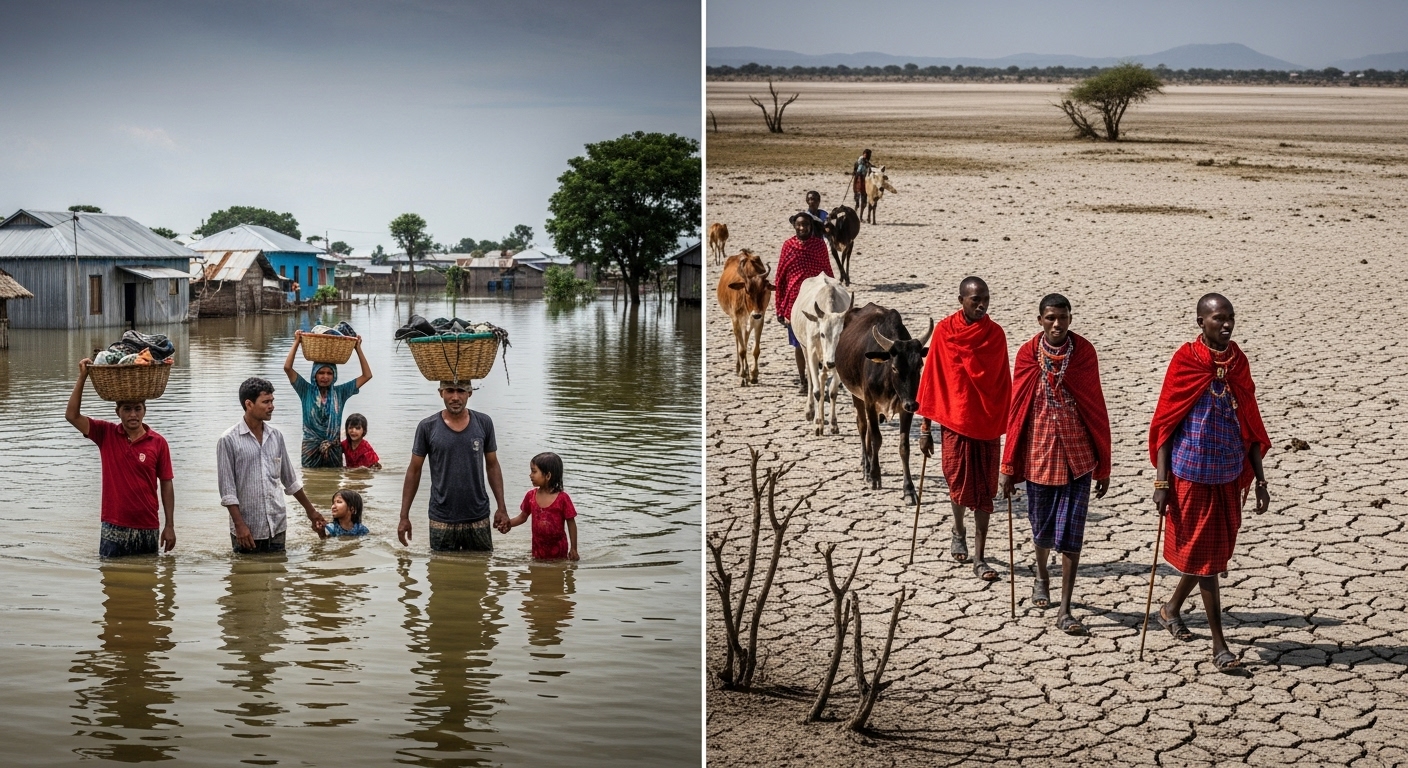
In the arid landscapes of eastern Kenya, successive droughts have led to repeated government-led seed relief programs. While these interventions often succeed in distributing seeds quickly during moments of crisis, their long-term impact is frequently weak, partly because the aid does not fully reflect farmers’ realities, such as timing, traditional varieties, social norms, and labor constraints.
For example, Louise Sperling’s review of emergency seed aid in Kenya during the 1990s shows that although farmers appreciated immediate seed distributions in drought seasons, there was no concrete evidence that seed aid, per se, had strengthened their farming systems. (ResearchGate)
That disconnect is an example of what user research in climate resilience programs can help fix. By understanding how, when, and why farmers make decisions, we can build more climate resilience programs that work in practice, not just theory.
Why Climate Resilience Needs More Than Technology
Climate change is not only an environmental crisis, it’s a human one. Rising temperatures, floods, and unpredictable rainfall directly affect how people live, work, and feed their families.
Governments, NGOs, and development agencies often rely heavily on technology-driven solutions such as irrigation systems, drought-resistant crops, or digital climate tools. The climate tools here include mobile weather apps, early warning systems, remote sensing, and decision-support platforms. The UNDP and WMO categorize them as information and communication technologies for climate adaptation. While these are valuable, technology alone cannot guarantee adoption or success.
Programs fail when:
- Farmers don’t trust or understand the tools provided.
- Communities see the solutions as foreign or irrelevant.
- Implementers overlook cultural, social, or economic realities.
This is why human-centered approaches, grounded in user research, are essential. User research helps uncover how people actually experience climate risks, their motivations, behaviors, and constraints, turning generic interventions into solutions that truly work for their context. It bridges the gap between innovation and real impact.
The Power of User Research in Transforming Climate Resilience Programs
1. Designing Solutions That Fit Local Realities
User research ensures that solutions align with the day-to-day lives, cultural practices, and priorities of communities.
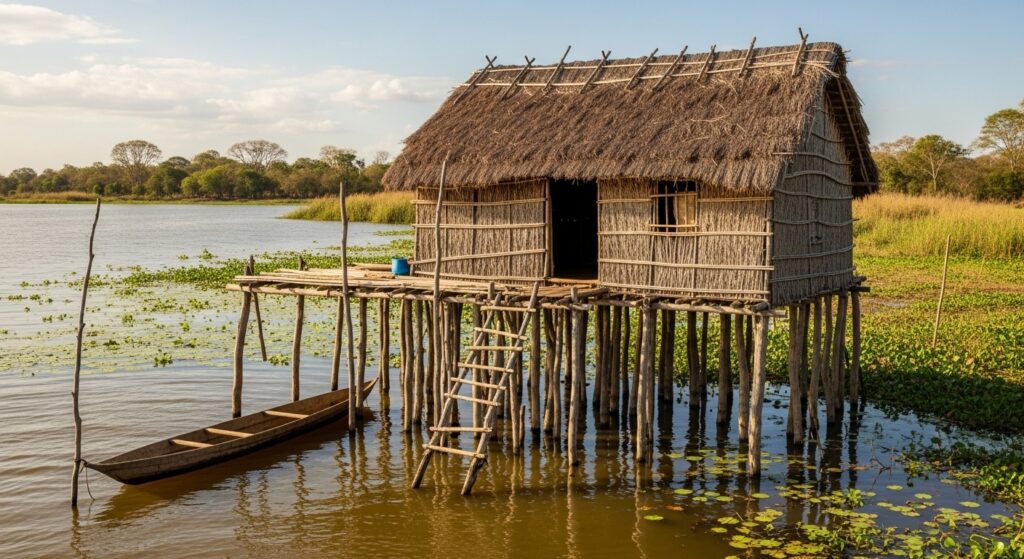
In Bangladesh, flood-resilient housing programs after cyclones show why user research is critical for climate resilience. Climate shocks like cyclones and flooding devastate vulnerable communities, but housing is a frontline defense. Standardized houses, built without considering cultural norms and family structures, often failed to serve their purpose. Families had to modify them or abandon them altogether. However, when researchers worked directly with households to understand their needs, designs became more accepted, better used, and more sustainable. This shows how user research can transform housing projects into true climate resilience solutions.
2. Building Trust and Ownership
Communities are more likely to embrace solutions when they feel heard. In East Africa, programs that engaged pastoralist communities in the early design stages reported higher adoption rates of drought-management tools.
This shows exactly how human-centered design builds trust. Trust builds ownership, and ownership drives long-term sustainability.
3. Surfacing Hidden Barriers
User research reveals obstacles that solutions that were designed or data alone often overlook. For example, in Ghana, studies have found that women farmers are less likely than men to own or have reliable access to mobile phones and have fewer resources (such as airtime) to use them. These constraints reduce their ability to benefit from climate advisory tools delivered via SMS or voice alerts. Addressing such insights by using alternative delivery channels, designing messages that work for low-tech phones, or subsidizing access makes climate resilience programs far more inclusive and effective.
4. Improving Program Evaluation
By integrating user feedback into monitoring and evaluation, programs can adapt quickly. Instead of waiting for a five-year review, implementers can make real-time changes based on what people actually experience.
Case Example: Co-Creating Climate Services in West Africa
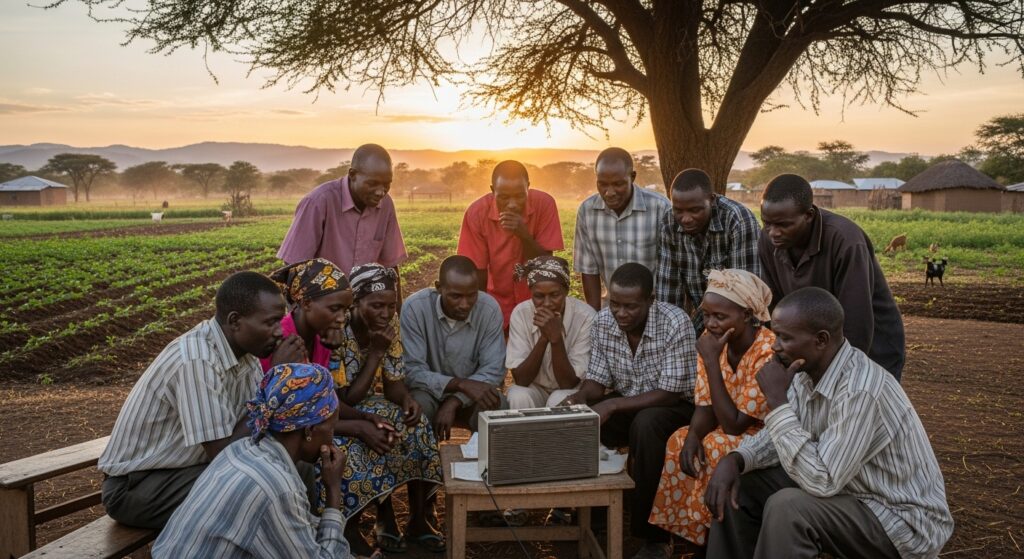
In Senegal, a climate information service run by ANACIM and its partners provided weather forecasts via SMS and community radio. Surveys found that many farmers preferred getting information through SMS or voice messages over traditional channels.
One farmer, Mariama Keita from Sikilo village, tested this: she planted two plots, one using SMS-forecast-based decisions and the other relying on traditional weather indicators. The plot using climate updates via SMS yielded 1,500 kg more groundnuts in 2015 than the conventional plot.
Because of findings like this and feedback from communities about preferred communication methods, the program shifted toward more locally relevant channels (radios, voice messages, local language broadcasts) to improve adoption and reduce losses.
Building Climate Programs With People at the Center
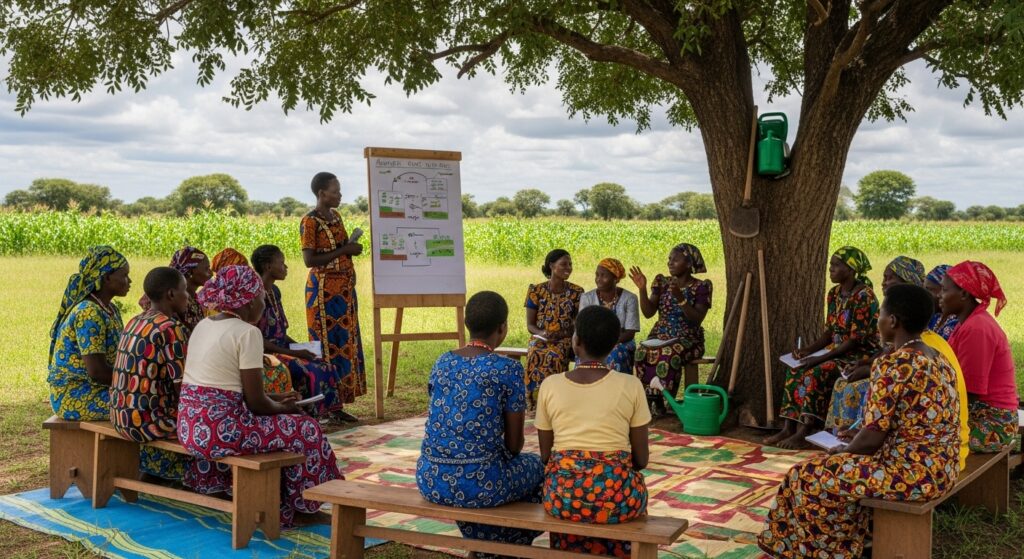
The lesson is clear: climate resilience programs cannot succeed without the voices of the people they aim to support. User research is not an “extra step”; it is the foundation for meaningful, lasting change.
By embedding user research into climate programs, organizations can:
- Design solutions that bridge innovation and lived experience ensuring that new methods and technologies work with, not against, the realities of local communities.
- Build trust and ownership among communities, turning beneficiaries into partners in resilience.
- Ensure inclusive access for vulnerable groups such as women, youth, and people with limited digital access.
- Create systems that are adaptable and resilient in the face of future climate shocks, because they evolve from the ground up.
When the story of climate resilience is told decades from now, it won’t only be about technology, policies, or aid budgets. It will be about the farmers, families, and communities who faced unprecedented challenges and how programs succeeded when they put those people at the center.
User research is not just a research tool. It is a catalyst for climate resilience.