

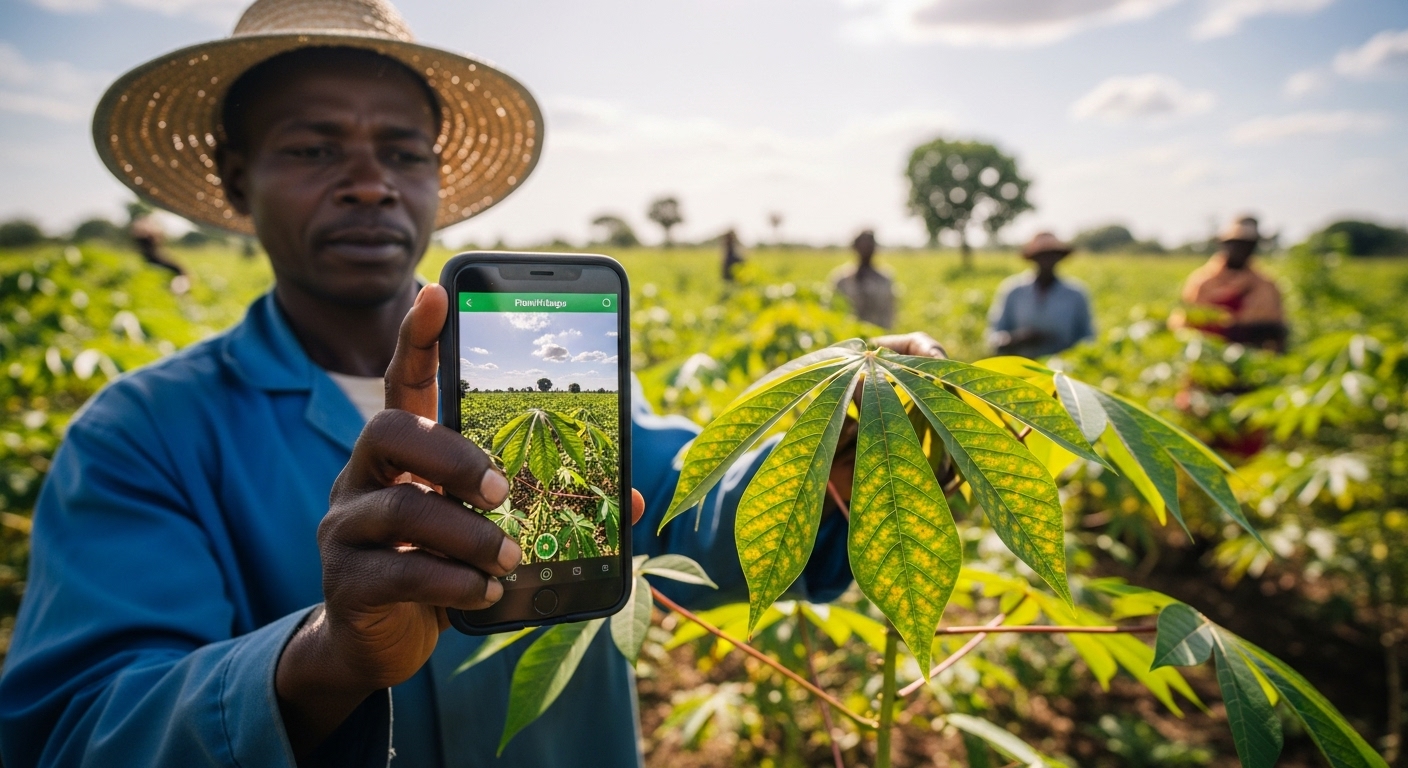
Artificial Intelligence (AI) is quickly emerging as a powerful and ethical ally in rural Africa, empowering communities through smarter data collection and analysis.
By connecting remote regions with essential services in health, education, and agriculture, AI helps bridge critical infrastructure gaps. For example, Google’s Flood Hub, developed in Ghana, uses AI and satellite data to provide flood warnings in 23 African countries. This improves disaster preparedness in remote areas.
AI-powered apps also allow smallholder farmers to diagnose crop problems through a simple phone photo. Community scientists use AI to monitor water and wildlife as well. These innovations demonstrate how AI can make research more accessible, giving rural Africans the tools to gather and interpret data. However, we must pursue these advances carefully, addressing challenges like digital literacy, data costs, and fairness.
Democratizing Field Data
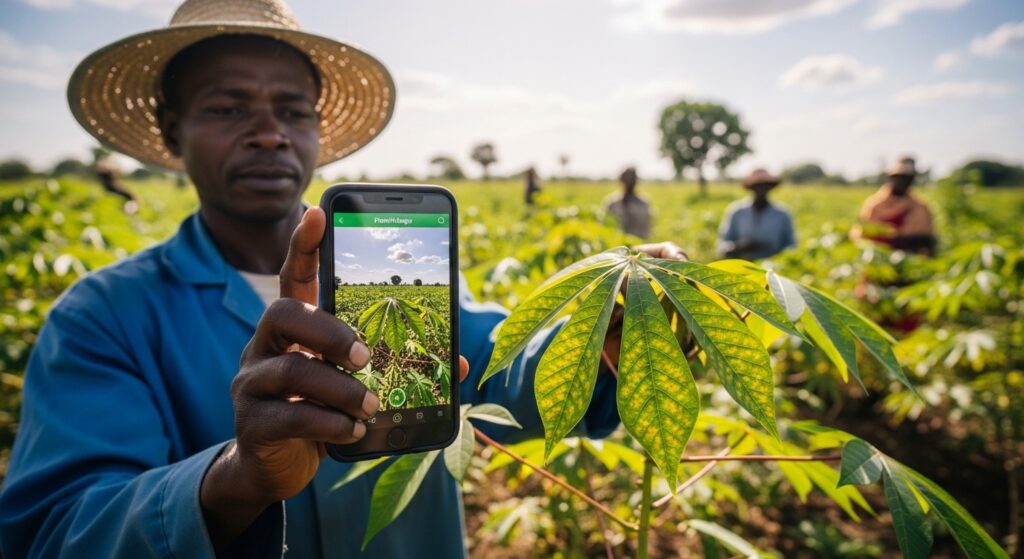
Smartphone apps are empowering rural citizens to collect data. For instance, the PlantVillage Nuru app lets farmers take pictures of their crops to diagnose diseases instantly, sharing results that contribute to larger research data sets. AI-based citizen science tools are also transformative. In Southern Africa, over a thousand community members used the miniSASS app, developed by CGIAR, to photograph aquatic insects in rivers. AI identified the species and calculated water quality scores in real time, generating valuable data for managing river health.
By crowdsourcing data collection, important AI-driven projects like PlantVillage/Nuru, miniSASS, and Wildbook make scientific research more inclusive and tailored. PlantVillage/Nuru is a Penn State/FAO smartphone tool that analyzes leaf images to identify pests or diseases and offers treatment advice. miniSASS allows citizens to monitor water quality and identify species while assessing pollution. Wildbook is an AI app that tracks wildlife and turns safari snapshots into population counts to assist in conservation research.
These tools illustrate how AI lowers barriers in rural research. Anyone with a smartphone can share observations that, once gathered, provide crucial data for scientists and policymakers.
Smart Farming and Environmental Monitoring
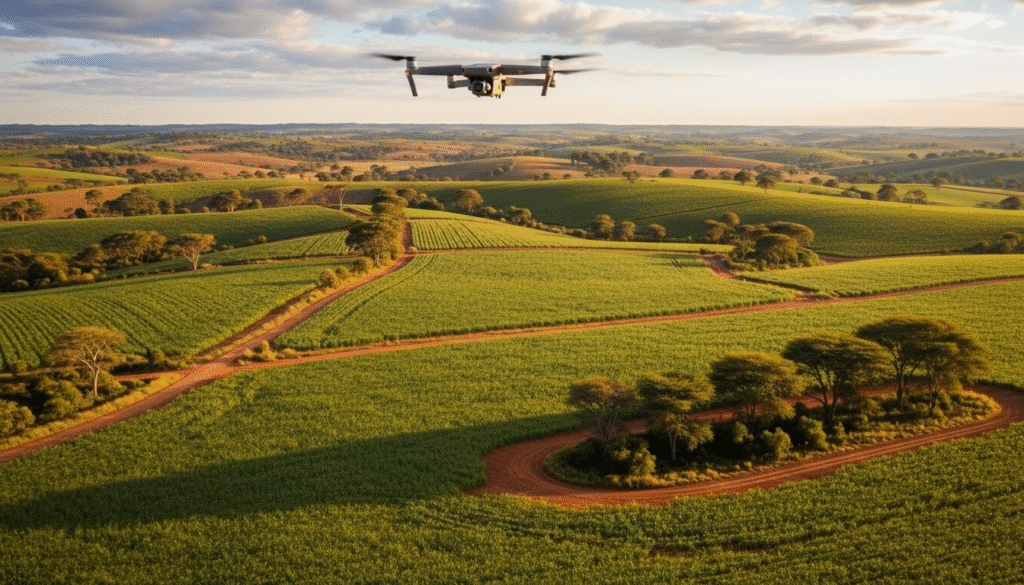
AI is driving precision agriculture in remote areas. For example, Kenya’s Agritech Analytics uses machine learning on farm data to provide smallholder farmers with early pest alerts and personalized advice on fertilizers and irrigation. In Zambia, a startup called Agripredict studies weather patterns and historical yield data with AI. This helps warn farmers about possible droughts or pest outbreaks before they occur. Sensors and drones are also important. The South African company Aerobotics flies drones over vineyards and fields to collect images. They use AI to identify plant stress, nutrient shortages, or diseases from the air. The result is a much more detailed dataset on soil, crops, and climate than traditional surveys can gather.
Other Services
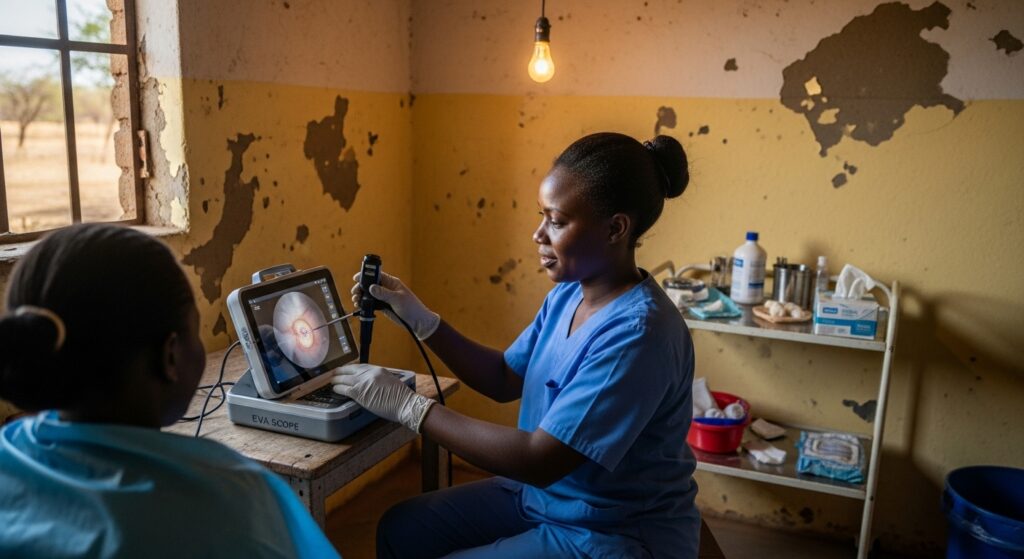
AI is not just for improving farmer output and efficiency in agriculture; it is also transforming health services in rural clinics. In Kenya and Ethiopia, nurses use a smartphone-based EVA Scope, a clip-on colposcope, to screen for cervical cancer. AI algorithms on the phone help identify precancerous lesions.
One researcher states, “Instead of sending doctors to every clinic, with AI we can send their expertise.”
In Nigeria, the startup Ubenwa uses AI to analyse a newborn’s cry, detecting birth asphyxia early. This is a crucial life-saving diagnosis in hospitals without specialists.
Many AI tools are designed to run offline, even without internet access. Machine learning models can be trained in the cloud and then sent to phones or local servers. For example, once an AI diagnostic model is trained, the smartphone app only needs a small amount of processing power to analyze new images. This approach allows rural clinics and schools to use smart diagnostics and tutoring without constant internet access, expanding AI’s reach.
Bridging Gaps with AI
AI also helps close language and accessibility gaps. Many rural Africans speak indigenous languages that are underrepresented in technology. Community-driven NLP initiatives are crowdsourcing African language data to train translation and speech-recognition models.
As these projects develop, researchers can conduct surveys and teach in local languages more easily.
Challenges and Considerations
With the introduction and growth of AI in Africa, issues like connectivity and infrastructure in rural areas are still uneven. Many villages lack reliable electricity or internet, which limits the use of digital tools. AI systems also depend on quality data; biases or gaps in training data can lower accuracy in African contexts. There are social concerns that, without proper guidance, AI could increase inequality or take away jobs. Researchers caution that we need to build AI systems “for Africans, by Africans” to avoid repeating past mistakes. It’s important to invest in data control, privacy, and digital education alongside technology.
As this technology continues to spread, these challenges are being addressed. Low-bandwidth AI models, mobile-first applications, and solar-powered devices are improving digital infrastructure. Communities are designing data governance frameworks to control their data, and standards focus on fairness. With these safeguards in place, AI’s potential can be nurtured through ethical practices.
Looking Ahead
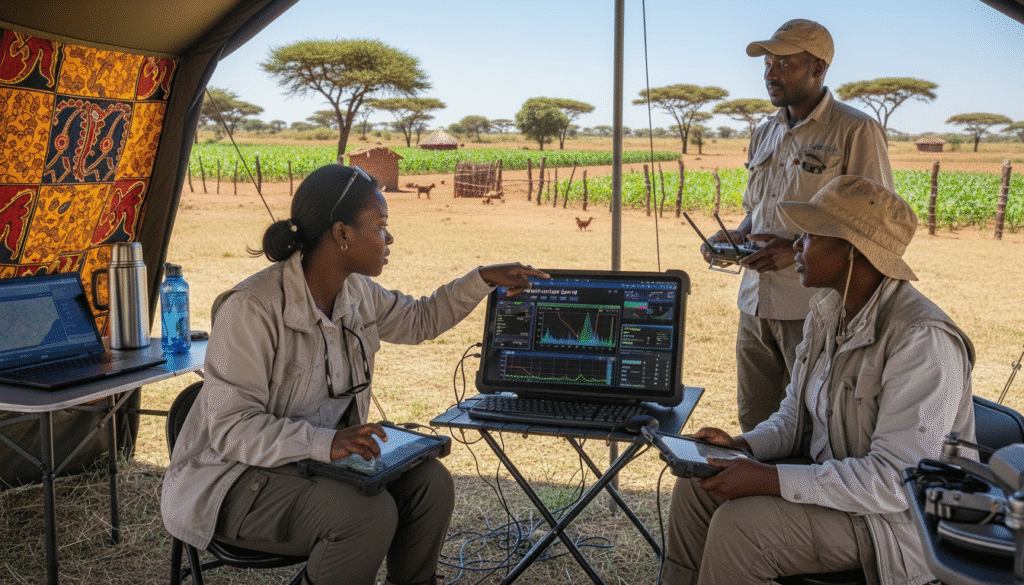
AI is set to become a regular part of rural research and life in Africa. Early adopters are already seeing benefits, such as preventing disease outbreaks, increasing yields, and empowering local researchers. As tools improve and become more widespread, future rural researchers could collaborate with AI agents using voice assistants in local dialects. They will feed real-time field data into models that span across the continent and adjust policies using machine-generated simulations.
By combining AI with community knowledge and research goals, we can make sure the technology supports shared aims like food security, health equity, and sustainable livelihoods. When African researchers and local villagers develop AI tools, the research will better reflect rural realities.
AI provides practical ways to enhance rural research in Africa. It allows for broader participation through citizen science, offers quicker insights by analyzing images and sensors intelligently, and provides tailored solutions by recognizing local patterns.
By focusing on connectivity, inclusivity, and ethics, stakeholders can use AI not just as a new tool but as a dependable ally that empowers both rural communities and researchers.