
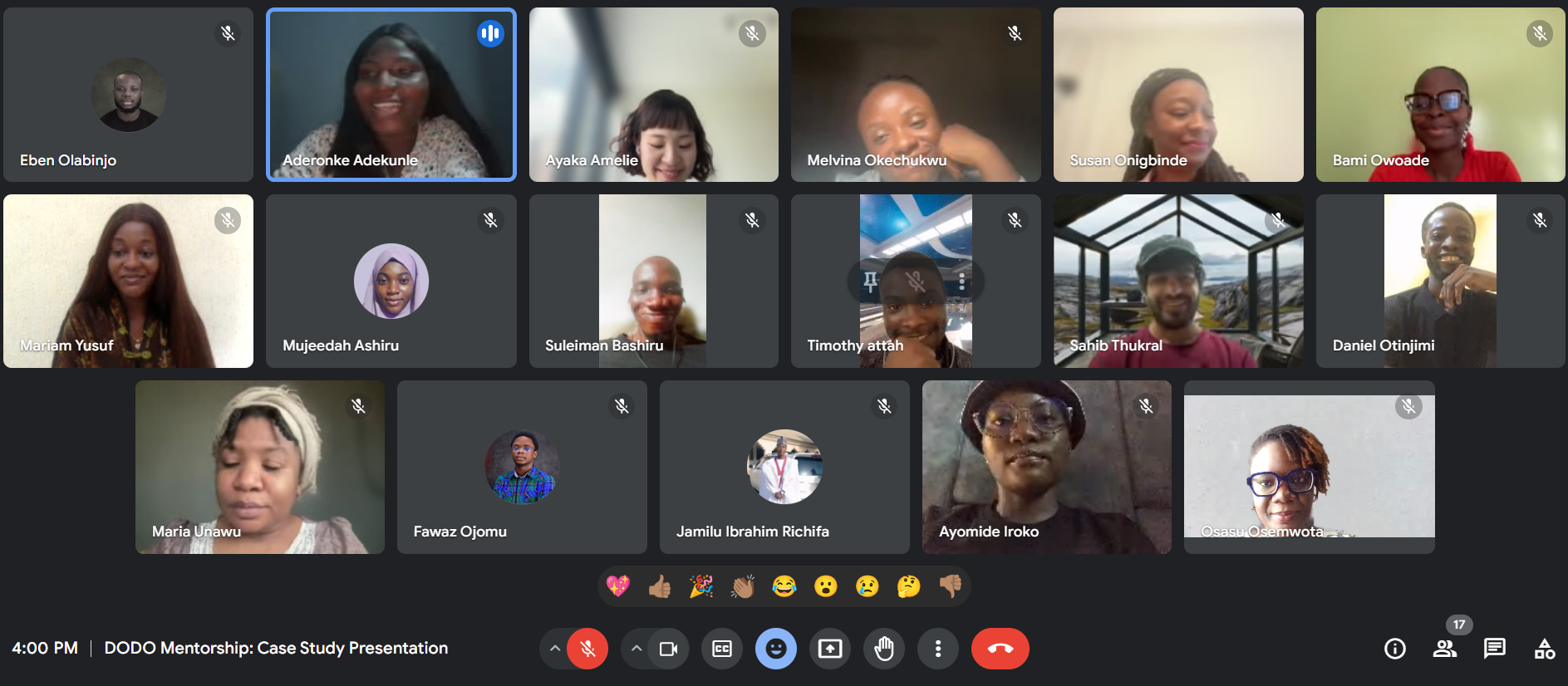
In 2024, our team embarked on a remarkable journey – empowering young designers for social impact through a rigorous mentorship program for designers and user researchers in Nigeria. This initiative was not just another training exercise; it was a strategic move to bridge a critical gap in the practice of Human-Centered Design (HCD) within the African context. As global organizations strive toward the SDGs and local design firms address complex challenges, research-backed solutions have never been more needed. We need insights that go deeper than the surface, the kind that drive lasting societal change.
With this in mind, the mentorship program became essential. It helped local design talent build creative problem-solving skills, contribute to community development, and drive social impact.
The Challenge: Bridging the Gap in Human-Centered Design
Within the African context, empowering young designers for social impact requires bridging theory with practice. Human-Centered Design places people at the heart of problem-solving. Yet, across Africa, there’s still a gap between theory and practice, especially in research, social impact, and development work. This gap exists because there are few skilled researchers who can collect accurate data, analyze it, and turn it into insights that spark meaningful change.
Our Response: A Mentorship Program for Young Designers
To address this challenge, we designed a mentorship program that aimed to enhance the skills of young designers and researchers. The program ran for six intensive weeks. It focused on the core areas of Human-Centered Design: such as:
- Data Gathering: Equipping participants (mentees) with the skills to collect accurate and relevant data.
- Data Analysis and Synthesis: Teaching them how to interpret data into actionable insights.
- Storytelling: Training them to effectively communicate these insights to stakeholders. This ensures that findings lead to tangible actions.
About 15 enthusiastic designers participated in this program, all of whom were eager to make a positive impact in their communities and beyond.
Collaborative Learning: Pairing with Experienced Designers
To maximize the learning experience, we paired these young designers with our in-house designers. This mentorship approach created opportunities for hands-on guidance and real-world learning. The participants were grouped into teams that tackled specific areas of focus:
Health and Wellness: Creating user-centered solutions to improve healthcare delivery and promote well-being.
Fintech: Exploring innovative solutions to improve financial inclusion and access.
Education: Developing designs that enhance learning experiences and outcomes.
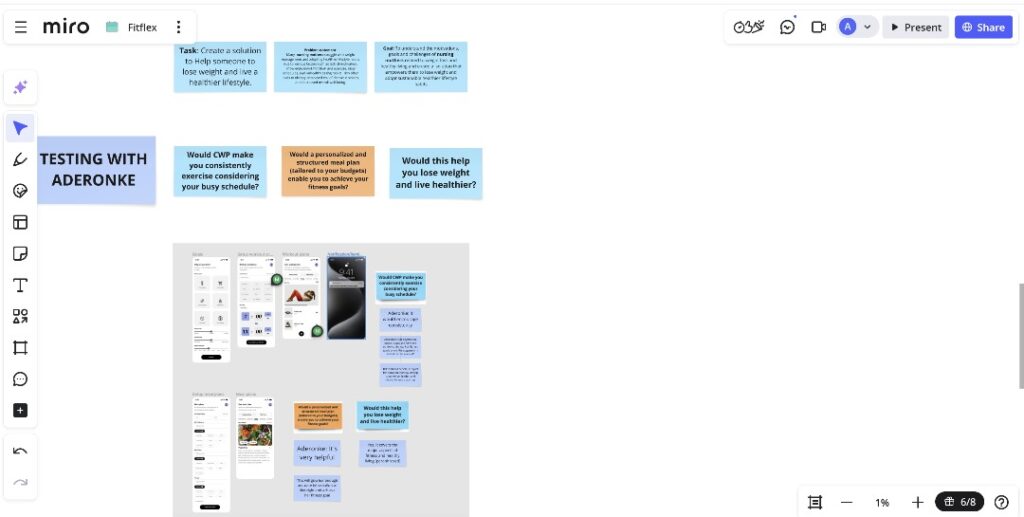
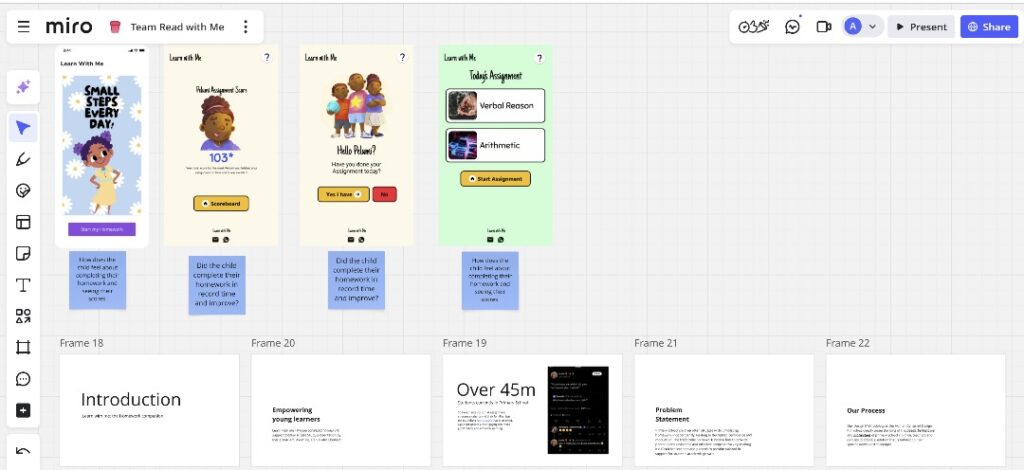
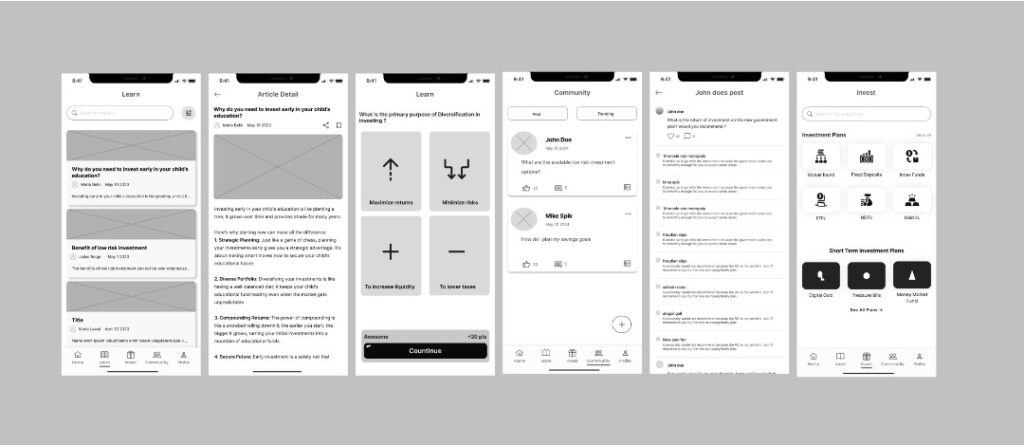
By working in these focused groups, participants gained a deeper understanding of how HCD can be applied to solve complex problems in these sectors.
Impact and Outcomes
The mentorship program was a resounding success, not only for the participants but also for our team. Here are some of the key outcomes:
- Enhanced Skills: Participants improved their design and research skills, preparing them to contribute effectively to social impact projects.
- Community Engagement: The program fostered a sense of community and connection. This created a safe, inclusive space where participants felt seen, heard, and valued not just as learners, but as contributors. They were motivated to apply their new skills in real-world contexts.
- Social Impact: By empowering these young designers, we helped amplify their potential to drive positive change in their communities, aligning with broader SDG objectives.
Lessons Learned
Our experience with the mentorship program taught us several valuable lessons:
- Working hand-in-hand with young designers and researchers reminded us that real change doesn’t happen in silos. This collective energy is what propels us toward achieving a positive impact that resonates deeply. The experience has demonstrated that when we combine our diverse skills, knowledge, and viewpoints, we can develop innovative solutions that genuinely improve people’s lives. Collaboration extends far beyond simply sharing ideas; it involves cultivating an inclusive environment where every individual feels appreciated and empowered to contribute their unique perspectives.
- Building capacity in local communities is essential for sustainable development because it ensures that solutions are rooted in the unique needs and strengths of the people they serve. By empowering local talent, we create a ripple effect of growth and resilience that can be felt for generations to come.
- Human-centered design is more than a methodology; it’s a way of seeing the world. It’s a mindset that transforms how we approach societal challenges by putting people at the forefront of every decision. When we design with empathy and understanding, we create solutions that are not just effective but also meaningful and impactful. This approach reminds us that every challenge is an opportunity to connect with others on a deeper level and to craft solutions that truly make a difference in their lives.
Conclusion
Our team’s involvement was a strategic investment in our hope and efforts for the future of design, social impact and development in Africa. Empowering young designers and researchers in this manner helps us contribute to the more sustainable and equitable future we all want. As we deepen our engagement with community and charitable initiatives, our vision extends beyond goodwill. We aim to drive innovation that responds to real needs, fosters dignity, and empowers lasting transformation. This is the future we are working toward, where creativity and human-centered design empower young designers for social impact across Africa.