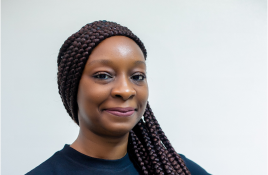


I recently talked to someone in the design space who was doing great work in Africa around social impact. In conversation, this person passed a comment that not only deeply resonated with me, but also switched on a light bulb for me.
She said something along the lines of …‘build the market for design on the continent (Africa).’
I thought to myself, that’s interesting! Isn’t there already a market for design in Africa?. Then, as I pondered those words more, I realized she’d hit the nail right on the head.
See, anyone who’s been in the field of human-centered design knows it is a relatively young industry globally. It has more questions than answers. The thrill of many of us in this profession is that we get to seek out the answers together. We do this through our work, our learning, and collaboration across countries and industries.
History of Human-Centered Design
In the West, the idea of HCD has come a long way. The field markedly came about in the late 60s, when Horst Rittel spoke about ‘wicked problems’. These are essentially problems, that, as they are being solved, birth or reveal other problems. This makes them complex, hence, a methodology such as Human-centered Design is needed to help tackle them.
A few years ago, I got my first masters in this field. We called it design management, and a few of our classes consisted of impassioned debates about the definitions of terms like ‘design strategy’. Fast forward to last year when I got another master’s degree in design (yup, I love this field that much). I realized that there were still ongoing conversations around clarifying terms and how they’re put to use in our practice, conversations such as the difference between ‘design strategy’ and ‘strategic design’.
Western vs. African Context
But what does this all mean for the African continent? My entire design education and training have been in the West, while most of my work has been in Africa. So, I have been privileged to see the field operate in very different parts of the world and be influenced by the nuances of each region’s context.
I, like many designers like me, believe we’re capable of providing solutions that plague our societies. Most designers live with this belief. Although I’m a little biased as I think Africa holds the most opportunity for innovative, co-created solutions to be birthed, and flourish. Most importantly, cause a positive, lasting impact on the lives of the citizens of the continent.
BIRTH OF DODO
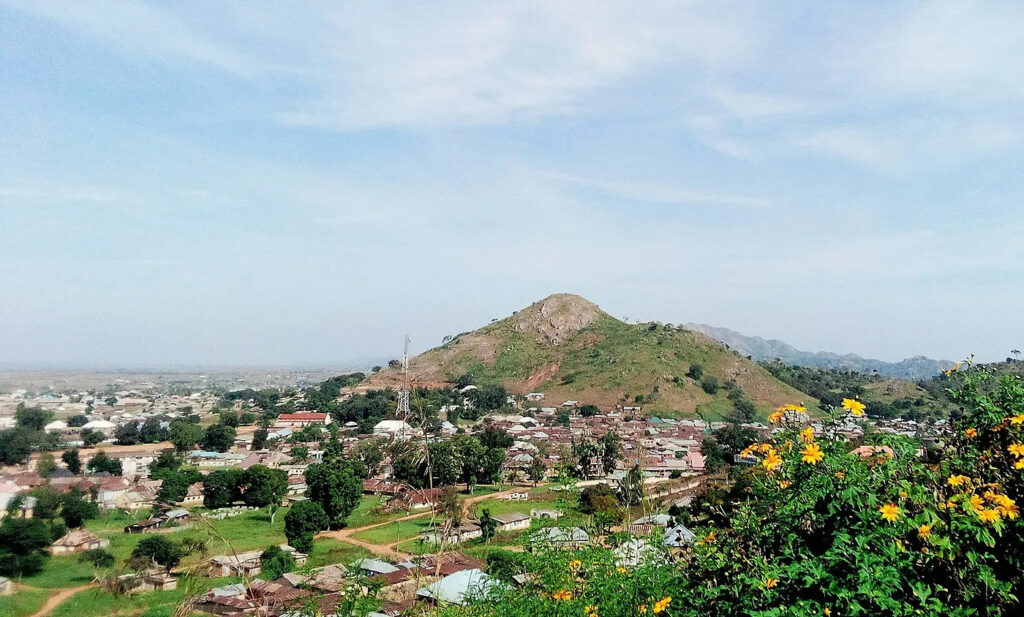
See, I grew up in Northern Nigeria, with beautiful mountains and landscapes, (Plateau state) we spent a lot of our time outside. I really didn’t know much about the outside world, until one summer, when we traveled to England. I remember it so well, we arrived at Heathrow at about 5am and I opened my eyes and looked out the window in awe. That feeling held on for the entire two months of our holiday, as we ate at out, visited amusement parks, museums, and more.
That summer, I experienced design in a way I’d never experienced before. It was design of everyday life, it was design in everyday life. It was everyday life designed to be well lived, through products, systems, and experiences, and there was no turning back for me. I innately just knew that this type of ‘living’ was possible, and not just on summer vacations. That day, DODO was born.
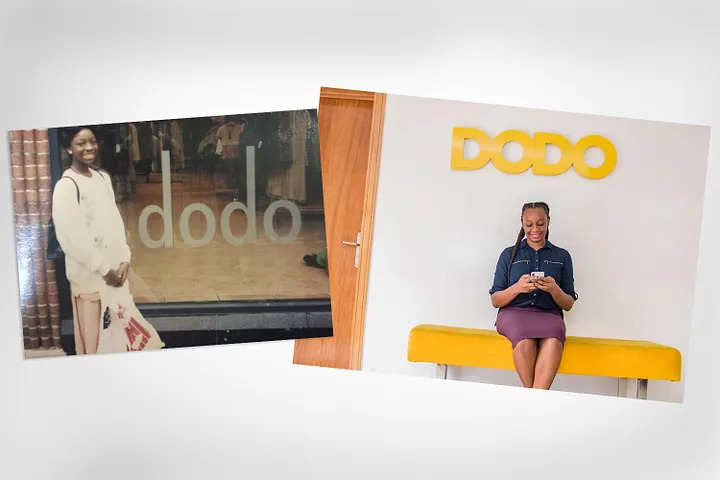
I told myself I would live a life of designing a better life for people: better experiences, better products, better systems. Just a better quality of life.
Reflection on Design’s Role in Africa
I’m so happy to say that I’ve been able to do a little bit of that over the past decade of my career (more to come on this later). But, as we designers know, we’re natural world changers, and every project makes us eager for more change, more impact, more results. More improved quality of life.
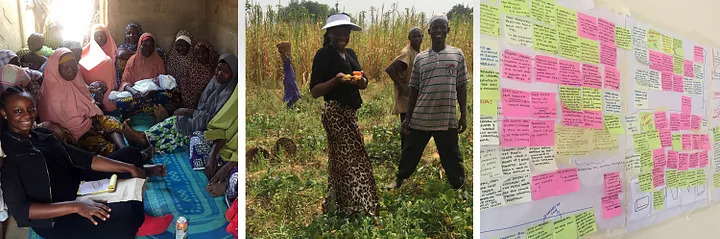
And so when I hear that comment: build the market for design on the continent of Africa, yes it resonates with me deeply. If I could add to that, I would say, let’s build the design capacity in Africa for the type of work we do, on the continent and in the world.