

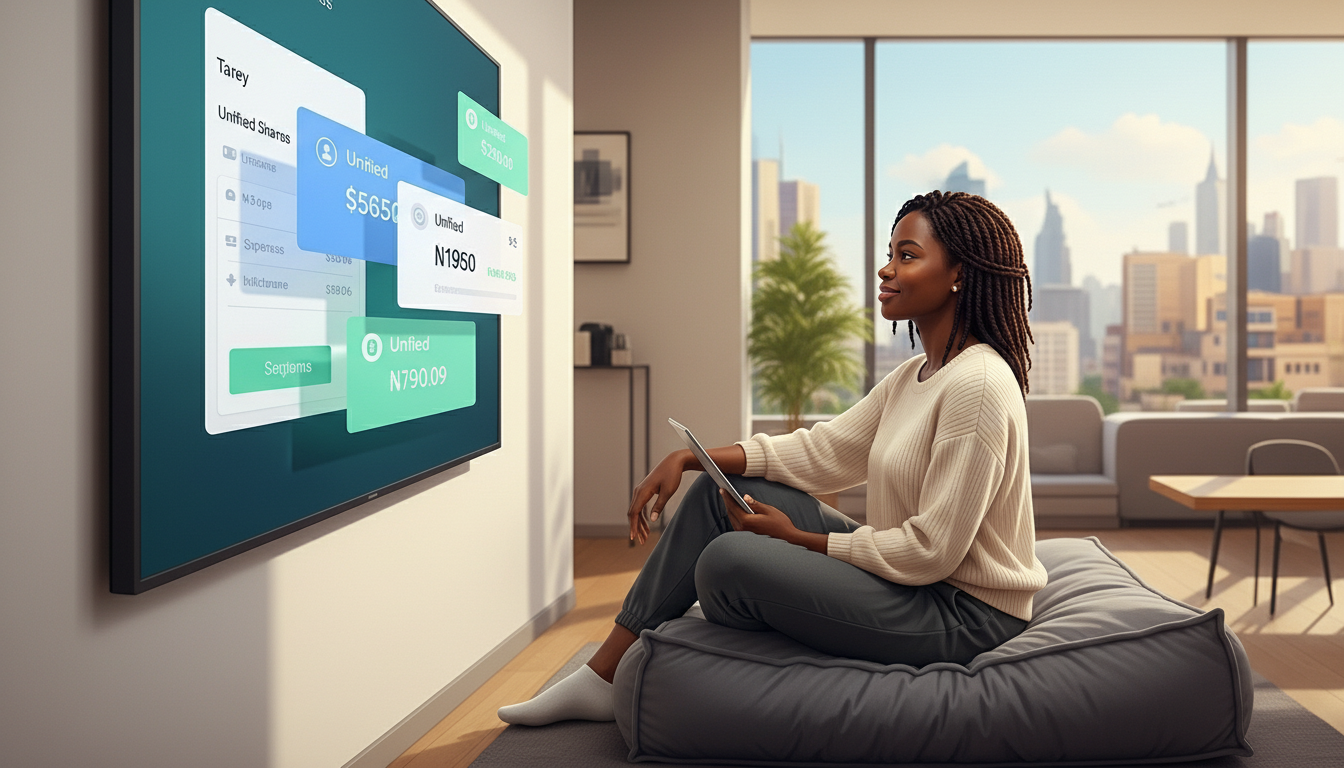
Every day, we face distinct challenges in our daily lives, from how we interact with services to how we engage with products, move through our environments, and connect with one another. These experiences shape how millions live, work, and survive.
At DODO, we love digging into problems, understanding what people truly need and what frustrates them, so we can create completely new solutions. When we saw this(1) from IDEO, we naturally jumped onto the trend.
We’ve compiled 10 of these everyday problems along with ideas we believe could actually make a difference in 2026.
Redesigning Public Hospital Experiences:
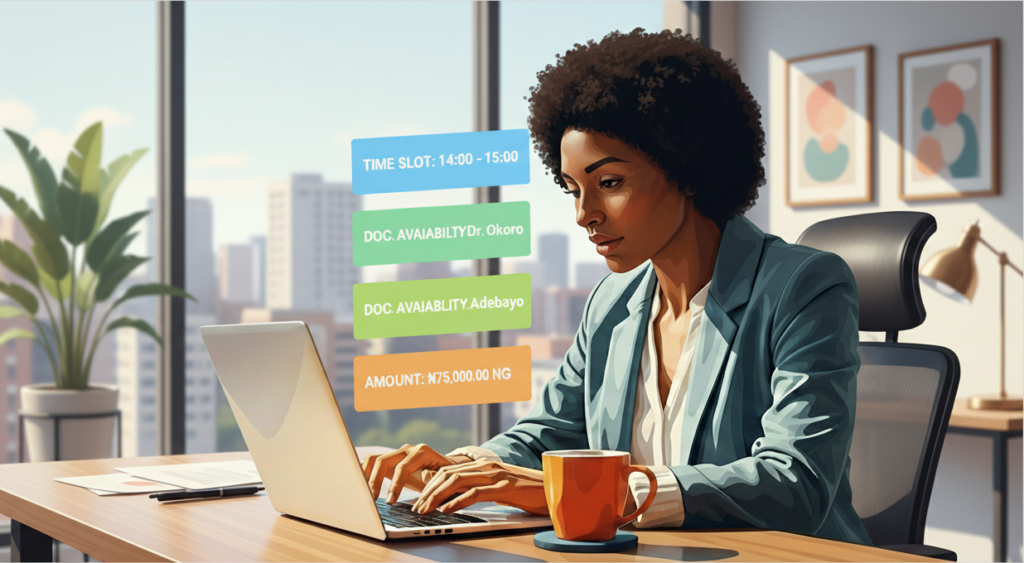
I dread visiting public hospitals, like genuinely dread it. Overcrowded hallways, not knowing where to go, not being able to predict how long you’ll wait, or not knowing what anything costs until you’ve spent time and money.
That experience could be better designed, where patients can get their estimated wait time, doctors’ availability, and fee details, without even visiting.
Making Housing Rentals More Transparent:
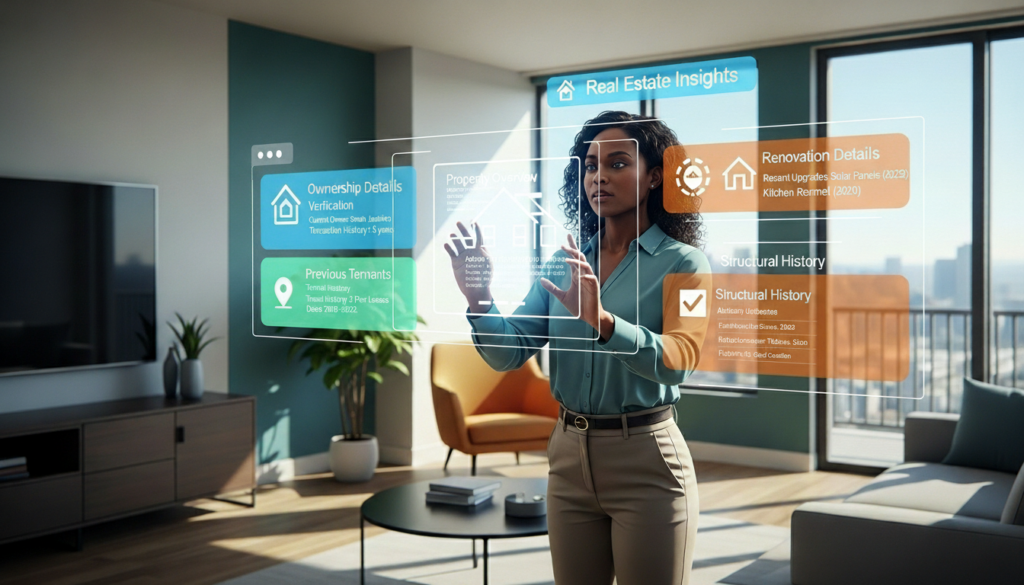
Finding a place to rent in Nigeria? Oh, you’re in for an adventure. Get ready to deal with agents who may be fraudulent, hidden fees, and low transparency around building quality, noise, or flooding risk.
Can this information be more accessible to renters (verified ownership, previous tenant reviews, flooding or structural history), so they make better informed decisions?
Building Accountable Transport Systems
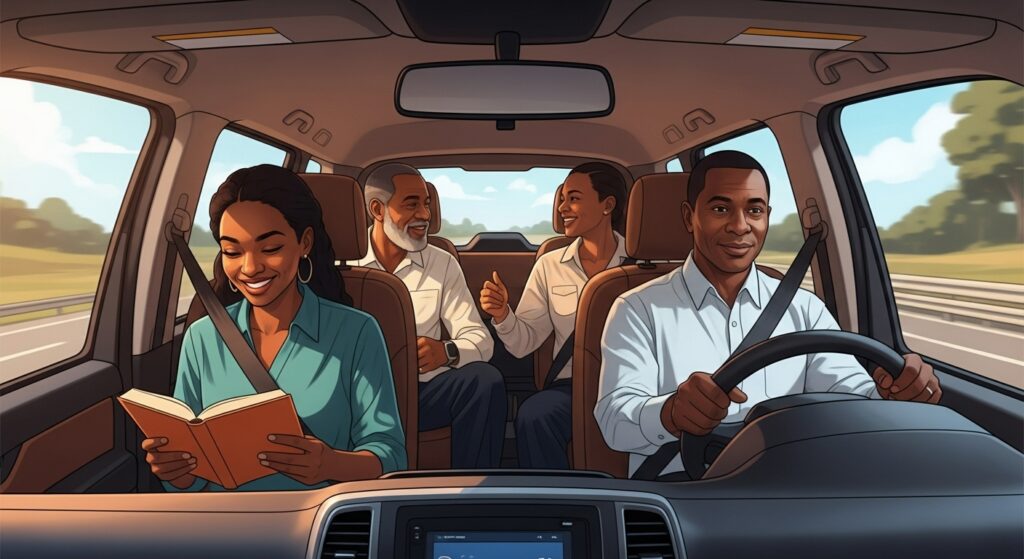
I was heading from the Southeast to the South-South early this year, and you know how that journey can be, pure stress with only the option for road trips. I wasn’t about to squeeze myself into those 18-seaters, where you’re practically uncomfortable the whole trip. So I paid extra for a smaller minivan (Sienna), the type that carries three people per row, just for more comfort. After waiting for hours, because of course they won’t move until the bus was filled up, I finally settled in, ready to go. Then these people casually brought another passenger. Just like that. No warning, no apology, nothing, they just casually stated we should be four in a row meant for three people.
I paid more money specifically to avoid this nonsense, and there we were, back to being sardined like common passengers. When I tried to complain, the driver just looked at me as if I was the one with the problem. The audacity!
What if we could fix this? Build a transport system where you see what you’re getting before you pay, violations are caught and penalized instantly, and operators who keep their promises earn more, a transport system where drivers and transport companies actually gain something real from treating passengers right?
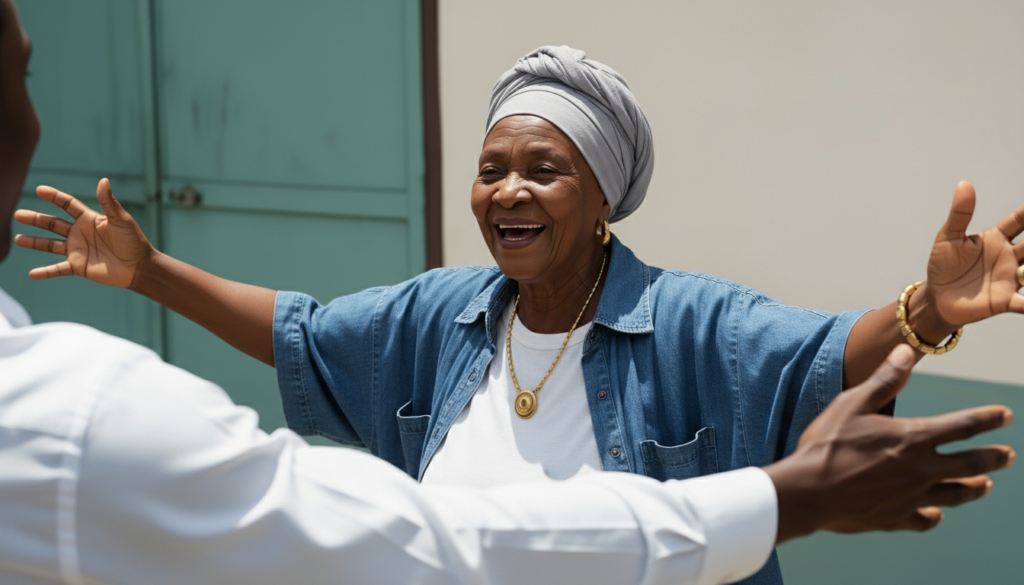
Supporting Nigeria’s Isolated Elderly Population
My neighbor’s mother is 76. She lives alone in their family house back in the village. Her children? In Lagos, Abuja & UK, scattered within and outside the country, working, and chasing survival. They send money when they can. They call when they’re able to, if the network cooperates. But who’s checking if she took her medication today? Who’s noticing if she’s eating properly or if she fell and can’t get up?
This is the reality for millions of our elderly. The traditional system where families stayed close and took care of their own is no more as it used to be? Urban migration has pulled the young ones away, and the economic pressure is so real that even when families want to help, they’re barely surviving themselves, some can’t even afford paying for caregivers. Our elderly ones are being left behind, isolated, neglected, and vulnerable.
What if these elderly ones are provided the level of care, monitoring and attention they need to live a healthy, more supported, fulfilled and prolonged life?
Simplifying Personal Finance Management
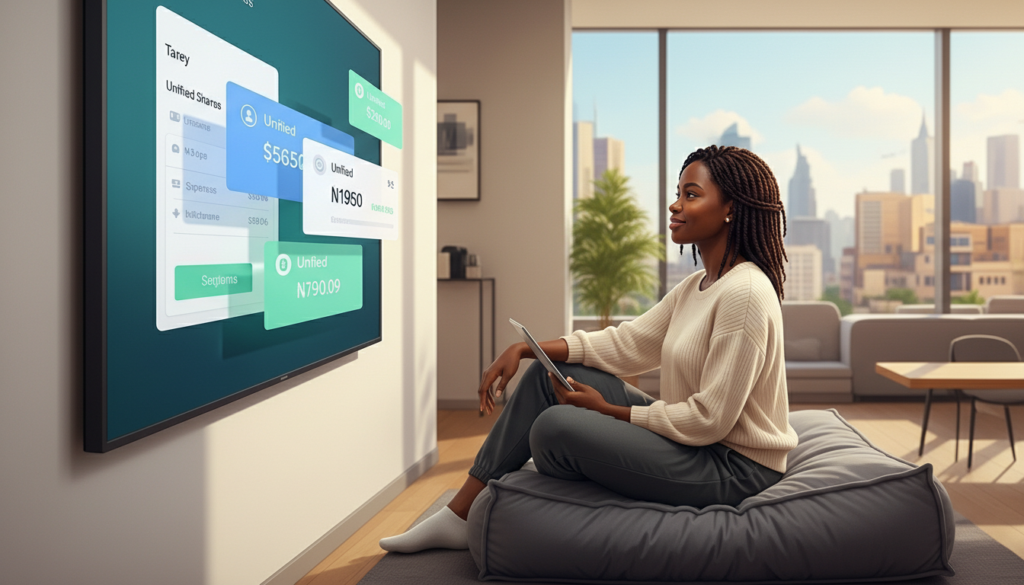
Do I really have to manually track my expenses across 3-4 different banks and fintech apps? It’s exhausting.
Every month-end, I’m jumping from app to app, piecing together where my money went. The few tools I’ve tried still need manual input.
There should be a way to automatically pull everything together in one place. But even further, it would be amazing if this super-easy-to-use app fits Nigeria’s diverse audience, who are filled with different ages, cultures, languages and ethnicities as well as tech-savviness and literacy levels.
Creating Better Cultural Tourism Tools
We travel around Nigeria’s culturally diverse cities for research work. After work is done, our team, some who’ve never travelled to that region before always want to explore something new.
Can an information source, befitting to the audience (i.e. SMS or app exist) that showcases new cities’ experiences, cuisines, cultural and historical monuments such as the Emir’s palace in Kano state, Ile Iyan Restaurant in Lagos or local festivals, artisan markets, and live performances. Currently we have apps and websites, however, they are not very exhaustive or user-friendly. This tool could be in the form of a chatbot, that is catered to users, answering their requests “on-demand”. It could also have a way people could add, document and rate their experiences, adding to the database and enriching the overall experience of users.

Making Product Authentication Accessible to All
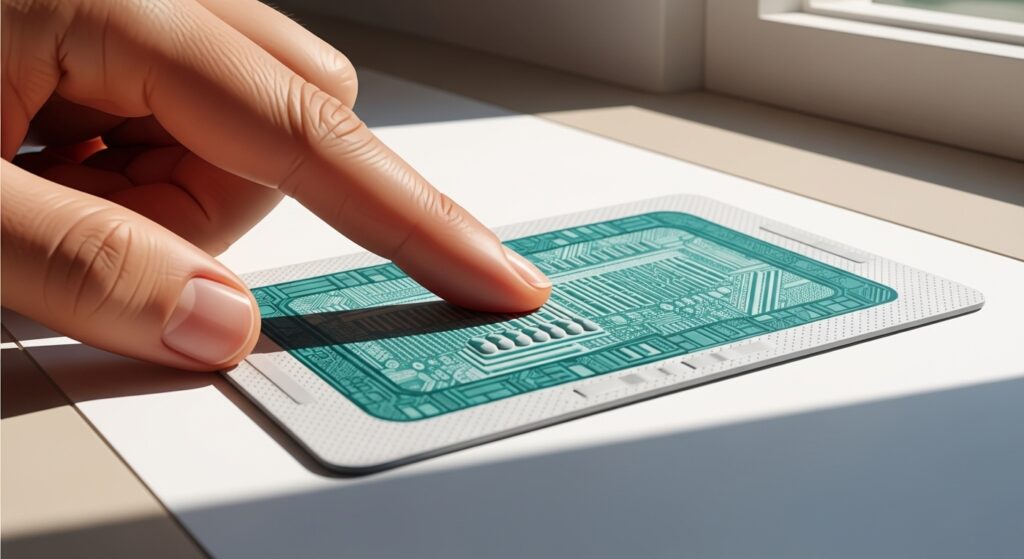
Look, the NAFDAC MAS code is brilliant…but only if you have a smartphone, data, and can read. But what about the millions of Nigerians who don’t?
What if product verification worked like our naira notes? What if by just touching the medicine packaging, you know it’s real? No apps, no codes, no squinting at instructions, just authenticity identified through package texture.
Ensuring Accountability in Traffic Law Enforcement
Driving in Lagos, I have been harassed over the years by police officers, road safety and LASMA officials. I have been threatened to be taken to the psychiatric ward for driving down a one-way (that had absolutely no sign that it was a one-way. It got so much that I preferred to take Uber than drive. Is there a way to allow law-abiding drivers enjoy their day-to-day commutes, while still holding these officials, and the citizens accountable?
Can there be a body cam (for officers) and a car dashboard cam (for citizens) with a one-touch button that records video and audio while sending real-time alerts if a driver feels threatened. All recordings feed into a secure database that tracks both officers’ and citizens’ actions. Officers are then evaluated through metrics like lawful ticketing, response times, while citizens are tracked for compliance.
Mandating Accessible Green Spaces
I like to take walks and I like to just take time out to enjoy nature, but it seems like even though pedestrians are the majority in Nigeria, the walk spaces on the streets and within neighbourhoods don’t factor these people in.
Can there be laws within metropolitan areas that mandate that for every number of buildings and man-made structures, there be allowance for natural elements, such as grass, trees, fruit gardens and waterfalls. These designated areas should be left untouched and accessible to all citizens at a ridiculously low price, so maintenance is sustainable.

Redesigning Waste Management Systems
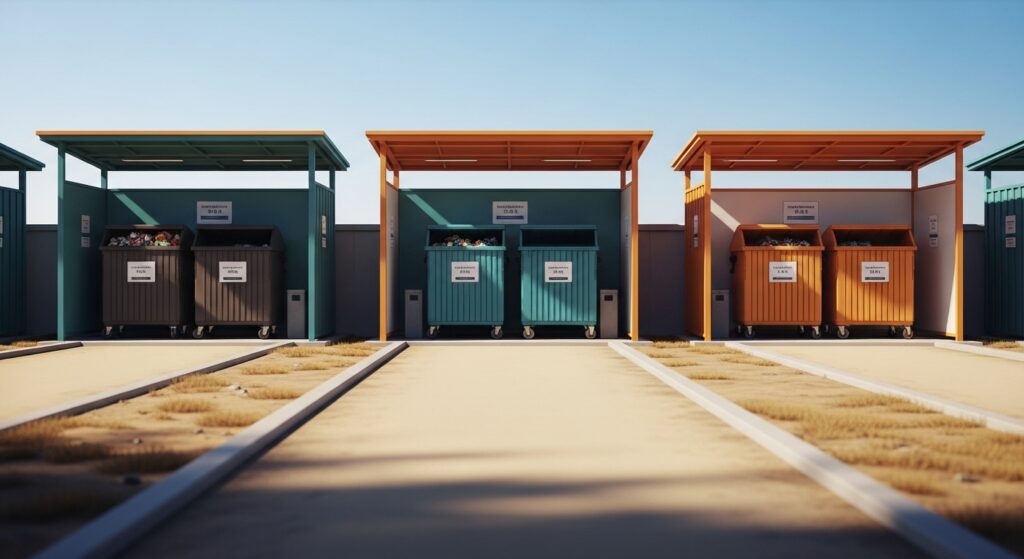
Let me be honest, our waste management system is not working. Some areas even get those fancy bins, one for this type of waste, another for that type. But what’s the point? People just throw anything, anyhow, rarely following the system. Even in cities like Lagos, where they supposedly have waste collectors, the collector trucks could disappear for weeks. You’ll be wondering if they relocated to another country. And for other cities without any collection at all? The few drop-off points they manage to provide are always overflowing, with waste spilling onto the main roads. The smell alone can choke you, not to mention the health risks. We’ve normalized living with heaps of waste on every corner like it’s normal.
How do we sort this out? We need drop-off points that people can actually reach, trucks that show up when they’re supposed to, and a way to teach families how to separate their waste properly so that each type gets disposed of the right way. Simple, accessible, and actually working.
Inspired by: IDEO’S 38 things we’d love to redesign in 2026