

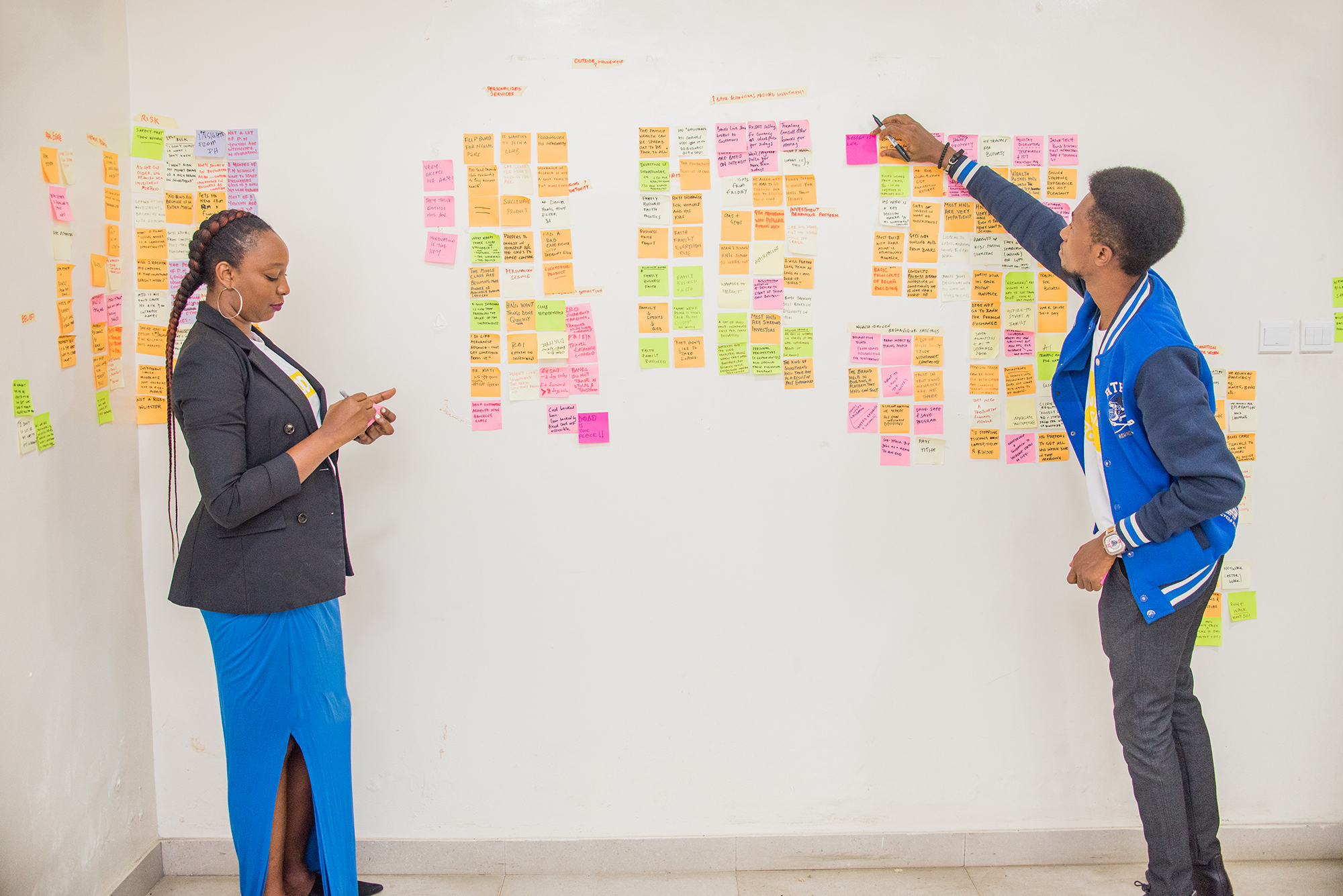
It was day 1 on the field. We had just concluded roughly 6 hours of in-depth interviews, co-creation sessions, and focus group sessions with over a dozen women, engaging participants in one-on-one interviews and co-creation sessions. I had spoken to a number of participants and was exhausted after the day’s work. All I had left to do was fill in my research debrief sheet, as is our practice after every research session. It would seem understandable to push it till later, but we’ve realised that the downsides of delaying outweigh the benefits. Debriefing after research activities may seem like a mundane and passable task; however, its value to ensuring data accuracy and impactful insights can’t be emphasized enough.
This article is centered on why we would rather take the extra step to debrief immediately and how best this can be achieved amidst operating on a tight research schedule.
For every research team, researcher or assistant field researcher who’s tasked with providing quality data from the field, if you’ve haven’t been debriefing after work, see why this is a practice you should inculcate in your processes stat.
What is a research debrief?
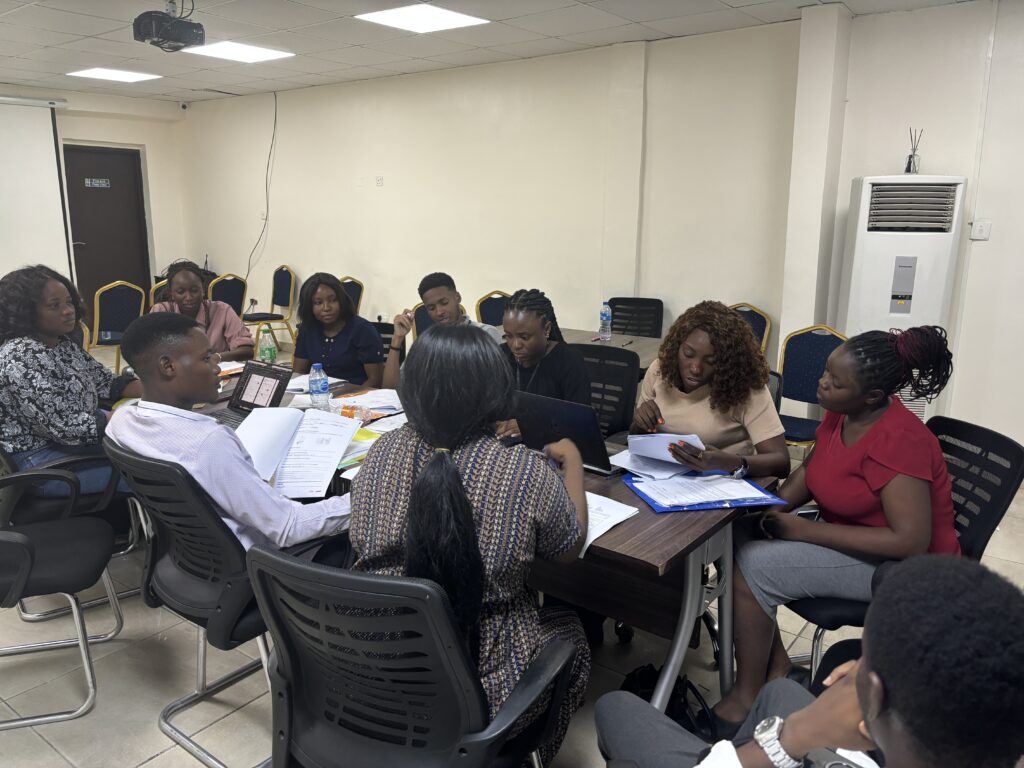
Debriefing in research has been defined by some as a mini synthesis session that occurs right after field research is done. Debriefing occurs immediately after a team completes user research, field research work or usability tests, in order to reflect on and share findings and observations with team members. It is not uncommon for early insights to come up to the surface as teams discuss. This structured and goal-oriented session happens while data remains fresh in researchers’ minds, typically within hours of participant interactions after a user research session.
This is a critical step in the research process that people don’t get to say a lot about, yet, it is very useful in identifying patterns early on.
Research debrief, even after pilot sessions, is powerful as it helps teams refine interview questions, clarify confusing prompts, and ensure later sessions capture more relevant information. It also serves as a reflection for researchers to take learnings and tighten their process for the next engagement.
In essence, this practice proves particularly effective with qualitative methods like individual interviews, usability testing, focus group discussions, and diary studies. However, the activity of structured reflection can benefit any research approach where human interpretation shapes data collection and analysis.
Why do research debriefs really matter?
When conducting multiple interviews over extended periods, the risk of forgetting information gotten in the early stages of research increases. A forgetting curve by German psychologist Hermann Ebbinghaus illustrated that, rapid memory decline after learning occurs, with retention dropping sharply in the first hours and following an exponential pattern over days without reinforcement, highlighting the need for intentional efforts to preserve it. Research debriefs serve as a powerful defense against losing valuable insights and they help research teams align on what participants actually said versus what individual researchers interpreted. Here are some key reasons why research debriefs matter;
They catch patterns while memories stay fresh
Individual observations gain meaning through team discussion. For instance, one researcher might notice a participant struggling with a specific feature. However, when combined with similar observations from colleagues, this becomes a significant pattern requiring immediate attention. Cross-participant themes emerge in real time during debriefs.
Furthermore, context disappears within hours as new interviews and test sessions overwrite earlier memories; therefore, immediate debriefing protects insights before they blur out.
They help teams fix research tools (and provide clarity) mid-project
Early sessions often reveal confusing questions or even cultural misunderstandings, at times. As a result, teams can refine interview guides between field days based on debrief discussions. This adaptive approach ensures later participants provide clearer, more useful responses.
At DODO, debriefing has helped us strengthen research quality and serves as a quick way to identify gaps in our research instruments, significantly improving our field research process in local contexts.
They challenge your blind spots
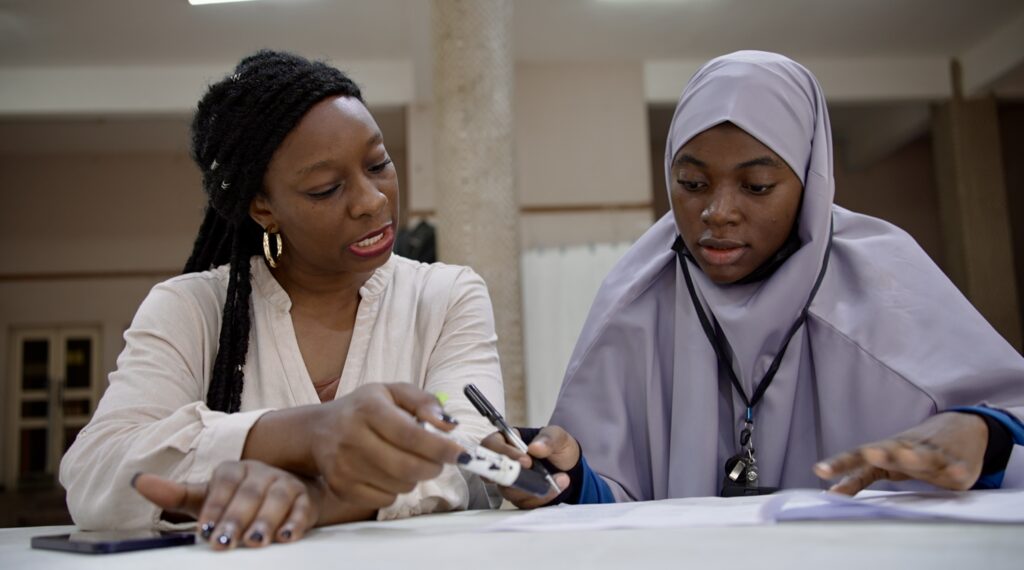
Group discussions that occur during debriefing, expose individual researcher bias and help to provide clarity, while researchers are still in the locality where the research exercise occurs. In the circumstances that this occurs, the participant(s) can be called back or the recruiter can be reached to help clarify the piece of data shared. This small action has proved useful in saving larger discrepancies ahead. If the information in question is one that other researchers can clarify with their own collected data, these colleagues are able to offer alternative interpretations that one person might miss, yielding better analysis that emerges from collaborative questioning rather than isolated interpretation.
Even when two team members attend the same session, their findings might differ due to personal experiences, biases, and cultural perspectives. Thus, debriefs create an opportunity where these differences surface and enrich the collective understanding.
A simple debrief framework for your next project
Effective debriefs balance structure with flexibility. Here’s a practical approach that works across different research contexts:
Step 1: Silent Reflection (~5-10 minutes)
Each researcher independently documents their observations before group discussion begins. This prevents dominant voices from shaping everyone’s memory prematurely. For a more structured process, creating a project-aligned template for this would be best to hasten this process.
This should include;
- Demographic information (age, gender, occupation, etc.)
- Surprising moments or unexpected responses
- Direct quotes that stood out
- Initial impressions and emotional reactions
Step 2: Share Observations (~15-20 minutes)
Team members present findings without interpretation yet. Others ask clarifying questions only, avoiding premature analysis. This creates a shared evidence base for deeper discussion.
Address prompts like;
- What stood out about this interview?
- What are this participant’s goals and challenges?
- What stories did this participant tell?
- What didn’t go well (uncomfortable topics or terminologies)?
Step 3: Find Patterns Together (~20-30 minutes)
The group identifies themes, contradictions, and gaps collectively. Discussions lead to adjustments for tomorrow’s sessions. The lead moderator pays attention to recurring themes and significant divergences from other findings.
Consider:
- What new topics should we explore in our next set of interviews?
- What questions should we discontinue or revise?
- How should we adjust our approach based on today’s learnings?
Start with structured debriefs on your next project and watch how preserved insights lead to richer analysis.