

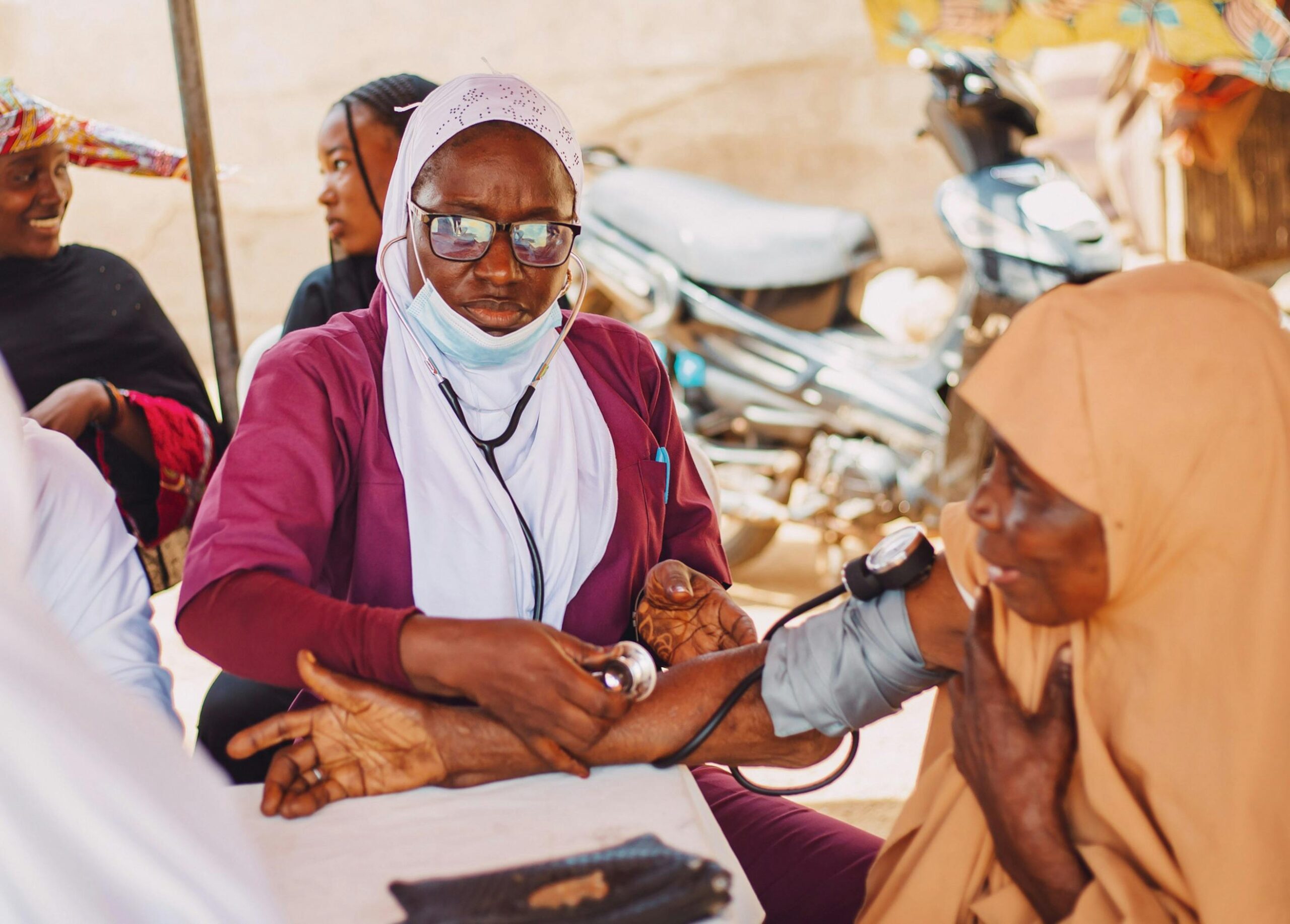
Affordable digital health solutions in West Africa are transforming how women access the care they need. In many communities, healthcare is still a long and exhausting journey. Pregnant women walk miles, wait in long lines, and spend money they can barely afford just to reach the nearest clinic. Others delay going to the hospital because they fear medical bills, and they only seek help when the pain becomes unbearable. These everyday realities reveal deep-rooted barriers like distance, cost, and weak infrastructure. These have shaped women’s healthcare experiences for decades.
However, a quiet but powerful shift is happening. Women are now connecting with doctors, receiving trusted advice, and learning more about their health through mobile phones. These digital tools are rewriting what access looks like. When care becomes reachable and affordable, it becomes truly empowering.
The Urgent Need for Affordable Digital Health Solutions in West Africa
The statistics paint a sobering picture. In West and Central Africa, maternal mortality remains extremely high: in 2020, the region accounted for 62.7 % of all maternal deaths in Sub-Saharan Africa.1 That means addressing women’s health here isn’t just a regional priority, it’s a global one. Many of these deaths are also reported to be preventable with timely information, access to qualified medical personnel and care.
Women in rural areas often live hours from the nearest health facility, and even when facilities are nearby, a routine consultation can cost more than a woman’s daily income, then add the cost of transportation, medications, and healthcare becomes a luxury, far beyond reach for families surviving on less than two dollars a day. Healthcare is expensive, but it’s not only about money. It’s also about taking time off work, finding someone to take care of their kids, and convincing society that it’s okay for them to put their own health first. Despite good intentions and significant investment, traditional healthcare have struggled to overcome these barriers, leaving large communities with unmet needs.
This is where the promise of digital healthcare starts to come alive. With mobile phone penetration reaching around 44% across Sub-Saharan Africa as of 2023,3 mobile access is becoming a key enabler for women’s health across West Africa. However, innovation alone isn’t enough, because the difference between a promising pilot project and genuine impact lies in affordability. A healthtech platform that requires expensive data plans or a health app that assumes high literacy will only deepen existing gaps.
True empowerment will emerge from solutions that are designed for the women who need them the most. A phone call, SMS, or app can connect a woman to reliable information or a healthcare professional instantly, saving her both time and money.

How Affordable Digital Health Solutions in West Africa Are Empowering Women
Expanding Access to Quality Care
Healthtech platforms are collapsing geographical barriers that once seemed impossible to overcome. Platforms like mPharma, WellaHealth, and Helium Health are helping women in Nigeria, Ghana, and Sierra Leone consult licensed doctors remotely. In several reported cases, digital consultations have been shown to cost significantly less than in-person visits, largely by reducing travel and waiting time costs for patients,4 and the result is not just convenience, it’s a redefinition of access. Women who used to rely on self-medication or advice from friends and family now have access to affordable medications and health information through local pharmacies, all thanks to digital infrastructure.
Improving Maternal and Reproductive Health
The impact of digital health is even more profound in maternal and reproductive health. Mobile apps and text-based programmes remind women of antenatal appointments, share safe delivery practices, and provide family planning advice in local languages.
In Sierra Leone, where maternal mortality rates remain among the world’s highest, initiatives using basic SMS technology have helped women track pregnancy milestones in real time, recognise danger signs, and access emergency care faster.5 Chatbots and confidential SMS services are also giving women a safe space to ask questions they might otherwise avoid about fertility or postnatal recovery. In situations where openly discussing reproductive health poses social risks, this privacy is essential.
Enhancing Health Literacy and Self-Advocacy
One essential aspect of empowerment is the transition from a passive patient to an informed health decision maker. Women are sharing knowledge and experiences regarding symptoms, treatments, and preventive care through healthcare forums and WhatsApp groups. Additionally, some of these apps translate medical advice into local languages or use voice messaging for women who are not highly literate. Women who have access to this information feel more confident, and when they feel confident, they take action.
Economic Empowerment Through Health Stability
Health and economic participation are deeply connected. When women fall ill, their businesses slow down, their income drops, and their families suffer. Complications from preventable conditions also push families into debt or poverty.
Healthtech platforms reduce the economic toll of illness by enabling early intervention, preventing expensive emergency care, and minimising disruption to daily life. A market trader who can consult a doctor during her lunch break via phone doesn’t lose a week’s income or close her stall. These micro-level economic impacts aggregate into significant empowerment at the community level.
What Makes a Digital Health Solution Truly Affordable and Scalable
Affordable healthcare isn’t only about low prices, it’s about designing for reality. The most successful digital-health platforms share a few things in common:
- Low-data use and offline access, so women can connect even in low-network areas.
- Easy-to-use interfaces that don’t require high literacy and are available in multiple languages.
- Flexible payment models like micro-insurance or pay-as-you-go options.
- Integration with community institutions such as clinics, pharmacies, and women’s associations, in order to build trust and continuity.
The cost of access decreases even more when private bodies and governments work together. Public–private partnerships and community engagement also ensure that solutions reach the women who need them most, not just those who can already afford smartphones or data.
Barriers and Considerations
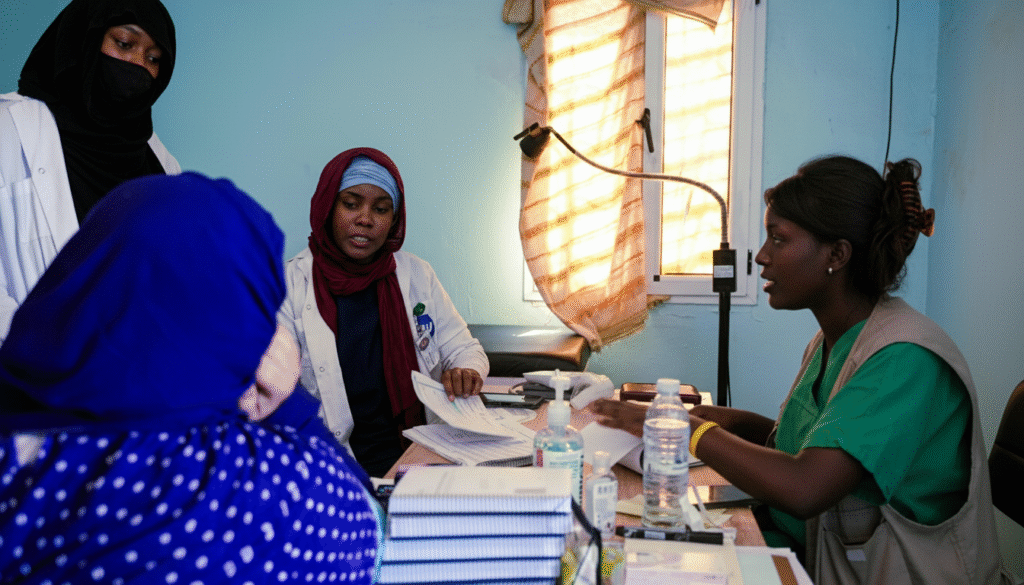
Given that many women remain without access to smartphones or reliable internet, there are still gaps that need to be addressed. According to the GSMA Mobile Gender Gap Report, women are currently 14% less likely than men to use mobile internet in low- and middle-income countries, and rural adults in Sub-Saharan Africa are 25% less likely to use mobile internet than their urban counterparts.6 For digital healthcare and adoption to genuinely meet the needs of women in these marginalized groups, tools need to be user-friendly and supported by community training or support services.
Data privacy is another concern. For women seeking sensitive care such as reproductive-health services, confidentiality is key and building trust requires clear communication about how their personal information is being used and protected.
Infrastructure challenges also remain. Poor connectivity and inconsistent electricity make it harder to sustain access in rural areas. But where communities have been part of the design process, helping test and refine these tools, adoption and trust have grown significantly.
Building Inclusive Digital Health Ecosystems
When digital health is inclusive by design, it can achieve significant success. By assisting small businesses, funding rural connectivity, and implementing laws that supportive the advancement of health technologies, governments can play a significant role. Community-based projects that provide these tools to women who might not otherwise have access to them can be funded by NGOs and donors.
Women themselves must also be at the forefront of this change, above all. Their lived experiences such as how they seek treatment, how they balance responsibilities, what trust means to them, should inform the development and expansion of solutions.
Health as a Catalyst for Empowerment
Affordable digital health is about more than convenience, it’s about fairness. It’s about ensuring that no woman is left behind because she cannot afford to get well.
Care needs to become affordable, accessible, and trusted so that women gain not just better health, but greater control over their lives. To work more confidently, to make informed choices, and support stronger families and communities.
The future of women’s health in West Africa lies in this intersection of technology, inclusion, and empathy. As is evident, the technology exists and the business models are proving viable. Accessibility and affordability must now be prioritized as fundamental design principles rather than afterthoughts, and this requires our collective commitment. Millions of women in West Africa will be able to reach their full potential when we scale digital health solutions that are affordable and accessible. This will have a profound impact on entire societies for generations to come.
References
- UNFPA, Regional Roadmap for the Accelerated Reduction of Maternal Mortality in West and Central Africa, 2025.
- GSMA, The Mobile Economy Sub-Saharan Africa, 2024.
- Boateng, D. et al., Telemedicine and eHealth in Sub-Saharan Africa: A Systematic Review, 2022.
- UK Department for International Development (DFID), mHealth Sierra Leone Project Report: Mobile Health — Connecting Managers, Service Providers and Clients in Bombali District, Sierra Leone, 2014.
- GSMA, The Mobile Gender Gap Report, 2024.