

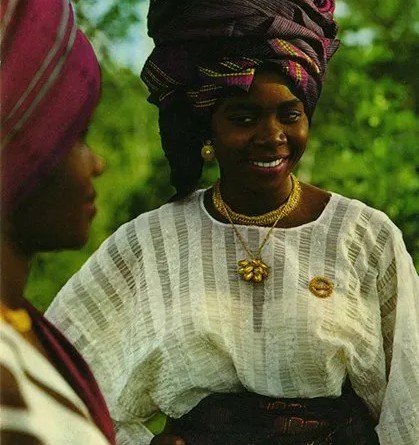
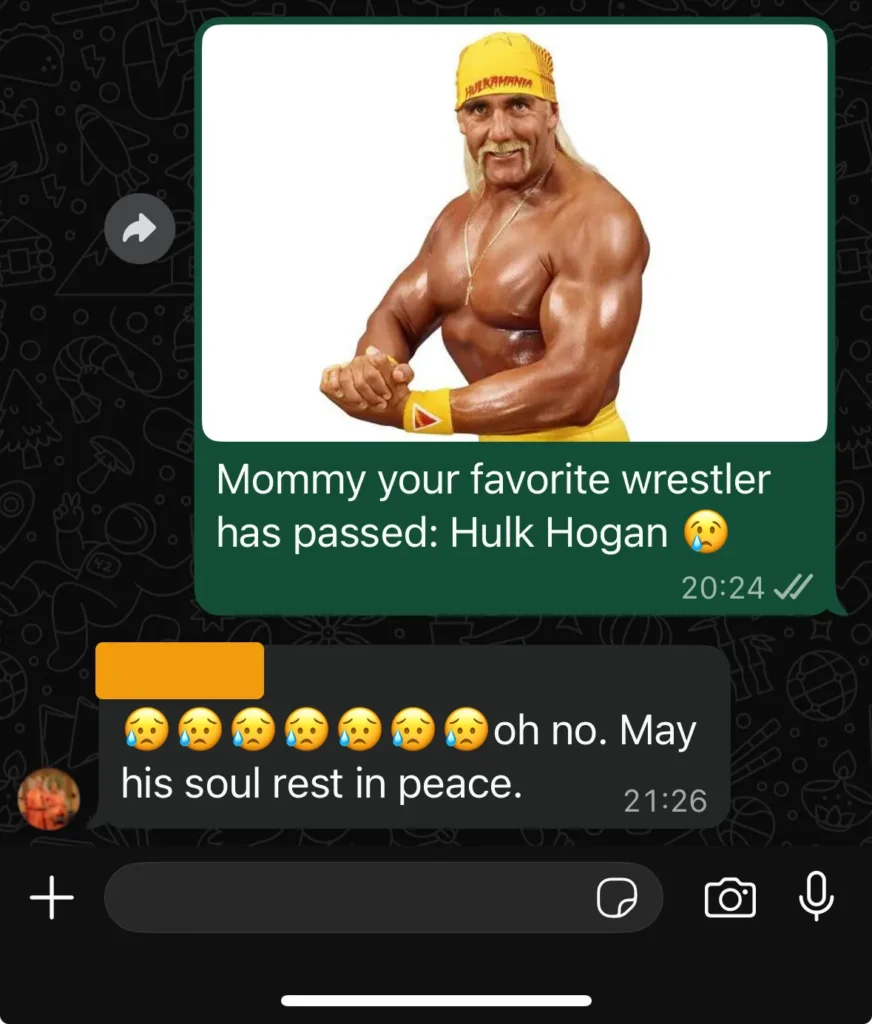
I recently read that Hulk Hogan had passed away. That news made me nostalgic and reminded me of my Nigerian mom. Growing up, she adored Hulk Hogan. That memory still shapes how I see cultural sensitivity in design research today.
My Yoruba mom loved wrestling shows in the 80s and 90s. One of my earliest memories was her cheering for Hulk Hogan.
She shouted at the TV, threw playful punches, and yelled, “Hit him!” Watching her was often more entertaining than the actual fight.
You can imagine the sight – a Nigerian mom deeply invested in an American wrestling icon. It was hilarious, yet unforgettable.
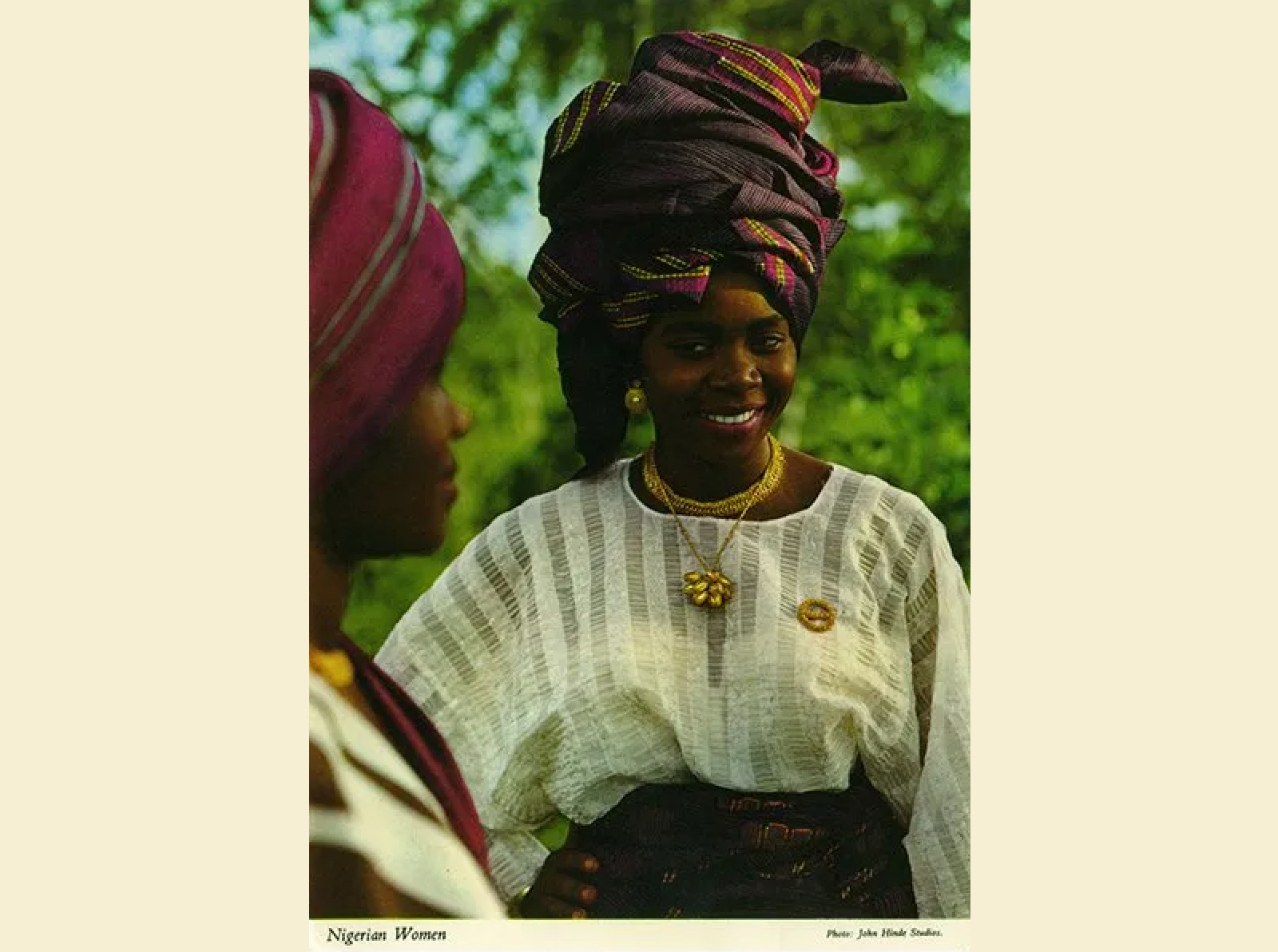
One of my earliest and fun memories was my Mom yelling at the TV during a WWE match where the legendary Hulk Hogan was wrestling. She would sit up and throw a series of boxing moves, swinging her arms, and clenching her hands, shouting eh he! Hit him!
It was a whole ‘nother show just watching her.
From Wrestling to Design Lessons
This memory made me reflect on an introductory meeting our team at DODO had some time ago. One of the subject matters highlighted on the call was taking into consideration social sensitivity, gender equity, and cultural and language nuances. For every Human-centered Designer, User researcher or Social Behavior specialist, this of course is no new thing; we also know how critical it is to a project’s success.
And why is that?
Cause in our extremely diverse world, a sweet word in one region is insulting in another. A warm, friendly gesture in a part of the world is seen as an abomination of the highest order in another. Even in our part of the world, Nigeria, a word for God in one tribe’s language means something filthy in another language.
It is indeed hard to understand that a jolly Nigerian woman from the Yoruba tribe could adore the great Hulk Hogan, I mean, even her family was amused by her intrigue. But so it was and so it is.
Why Cultural Sensitivity Matters
So what exactly is this thing called cultural sensitivity and how do we in this profession of design and user research work (and live) in the knowing respect and adherence of this principle?
It is the awareness and respect of a participant’s social contexts, values, traditions, and lifestyles. It is putting in the effort to understand the subtle cues, ways of communication, and body language that shape how people behave and express themselves.
How Researchers Practice Sensitivity
As professionals in the research industry, cultural sensitivity helps to recruit with inclusivity in mind, recognize (and respect) power dynamics in societies where they exist, avoid imposing one’s views and perceptions on others, use inclusive methods and language, and being careful to create an atmosphere of ease and comfort for all. Needless to say, as humans also, these characteristics also go a long way.
Now, certainly, this is a journey, and more a marathon than a sprint; however, it’s not insurmountable.
Simple Ways to Be More Culturally Sensitive
Simple ways this can be achieved are when:
- We truthfully embrace the humble fact that we do not know, but are eager to learn.
- We see everyone as equals (and from my experience, I’ve realized this is hard to do for some), but it is necessary if we are to excel both in our craft and as humans.
- We know that beyond our research instruments and protocols, our mindsets and ways of viewing others need to be inclusive, as well as sensitive, looking at and honoring their customs, values, and lifestyles.
Lessons From My Research Experience
The benefits of doing this help us to build trust, nurture authentic and honest communication, and relationships.
In my decade-plus years as a researcher both in the United States and Western Africa, I have learnt over the years to leverage these traits to ‘fit in’ in contexts when it would have been otherwise difficult.
The biggest reward of all? A deeper and really more authentic understanding of my participants and subjects (without bias), often in ways that have moved me deeply and provided rare gems of insights in the early moments of research work.