


Nigeria is a country full of diverse cultures and regions, with over 500 languages and 300 ethnic groups. Each one has a rich cultural heritage that spans generations. This diversity makes Nigeria an intriguing place for human-centered design research.
In my nine years of conducting contextual research in Northern Nigeria, where I lived, I have developed a deep understanding of how people think and behave in that part of the country. However, traveling to Southern Nigeria for research not only broadened my perspective but also provided new insights into how differently people here live their daily lives.
In this article, I’ll share what I’ve discovered and how the differences between these two regions affect human-centered research.

Understanding the Cultural Context of Human-Centered Design Research in Nigeria
Northern Nigeria has unique characteristics shaped by its predominant Hausa-Fulani culture, rich Islamic traditions, and a semi-arid climate. Culture, tradition, and religion deeply influence the region’s context. It impacts everything from dress codes and gender relations to daily routines and interactions. Example, the intense and arid air along with the dry heat, affects people’s clothing choices, cooling preferences, and transportation methods.
The rich soil and climate also produce an abundance of crops like rice, grains, bell peppers, scotch bonnets, onions, tomatoes, and more, making these staples affordable. Also, traditional practices influence how people interact with technology and access information. These factors contribute to the mindset, dispositions, and daily routines of the people. It ultimately influences how they engage with researchers.
Contrasting the Fast-Paced Southern Nigeria
In the north, traditional values and less developed infrastructure often necessitate adaptations in user-centered design methods. For instance, researchers are expected to adapt to local ways of life, including dressing and social interactions. Human-centered design research plays a significant role in determining the success of research in the north. Participants expect researchers to speak their local languages and understand their lifestyles. Miscommunication or cultural insensitivity can impact the quality and accuracy of data collected. This in turn makes user-centered design techniques like language fluency and cultural understanding critical for effective research.
The Role of Culture in Human-Centered Design
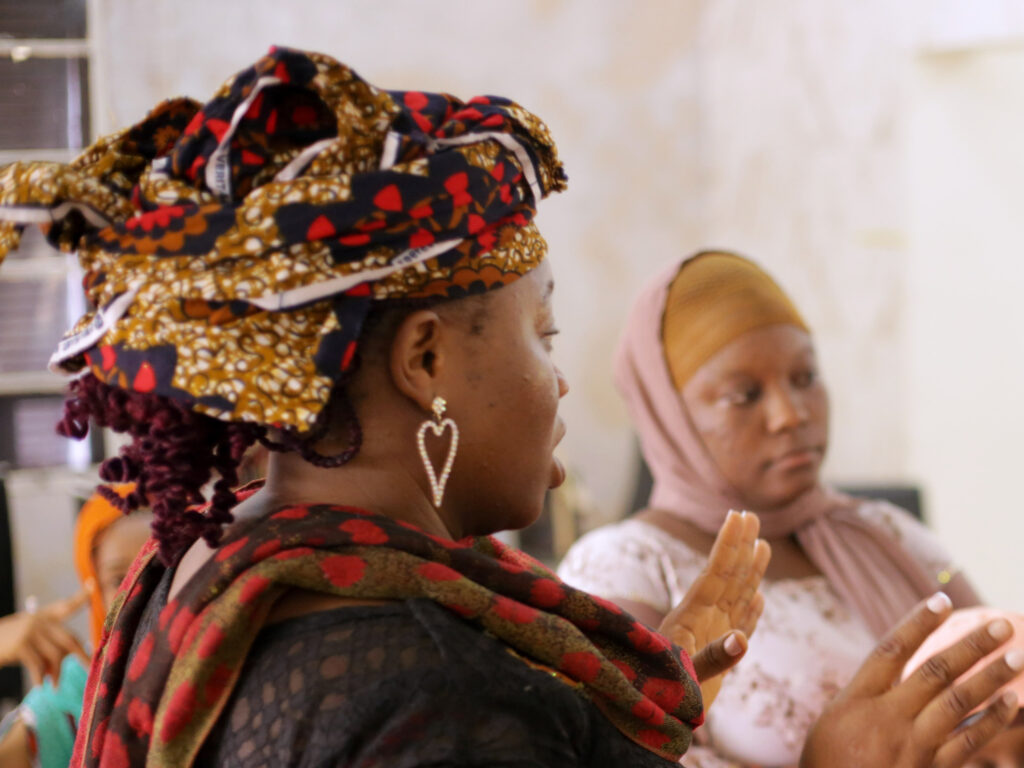
Cultural influences deeply shape the way users engage with researchers. In northern Nigeria, where traditional and Islamic values are deeply embedded, interactions can be quite reserved. People often hold conservative views, which means they may prefer to avoid collaborating with researchers of the opposite sex. As a result, I realized it’s crucial to approach these interactions with a strong sense of respect and cultural sensitivity. We always keep modesty and community values at the forefront of my approach.
On the flip side, in Southern Nigeria, the dynamic blend of ethnic backgrounds and the fast-paced urban lifestyle bring a different set of expectations. Here, the participants engage better with researchers who are amiable and are able to make them feel comfortable, regardless of their gender, how they dress, or even language (most people speak and understand the national Pidgin English). This means that in the southern region, I need to be more attuned to the diverse and vibrant cultural fabric, adapting my methods to meet the higher expectations for interaction and involvement.
Applying Human-Centered Design Strategies across Diverse Nigerian Contexts
My experiences in both cases are a reminder of how rich and varied the Nigerian culture is. Keeping this in mind helps researchers like me to be respectful and attuned to local customs and especially the indigenes when conducting research. Understanding and respecting these cultural nuances helps me build better connections and ensures that the way I approach my research work is both effective as well as considerate of the local contexts where I work.